Answer
Interior shutters outlast standard window blinds and install as permanent fixtures, whereas blinds deliver broader style variety, flexible light adjustment, and lower upfront pricing. Although shutters require a larger initial budget, Calgary homeowners frequently select them through Blinds West to boost long-term property value and secure a multi-decade window covering.
Overview
Selecting between blinds vs shutters depends on budget, room moisture levels, and long-term home value goals. Below is a direct comparison of construction features, operational advantages, and ideal room applications for both window treatment types. A practical case study featuring a homeowner named Eleanor illustrates how to evaluate these factors for specific rooms.
- Core Structural Variations: Compare the fundamental distinctions in mounting styles, slat materials, and lifespan between blinds and shutters.
- Window Blind Strengths: Evaluate the advantages of window blinds regarding upfront cost, flexible light filtering, and pattern variety.
- Interior Shutter Benefits: Assess the benefits of shutters for thermal insulation, cordless child safety, and architectural permanence.
- Ideal Blind Applications: Identify specific situations favouring blinds in rental properties, tight budgets, or frequently redecorated spaces.
- Ideal Shutter Applications: Review Eleanor’s home renovation scenario to determine when shutters deliver the highest return on investment.
- Custom Consultation: Access professional selection guidance and measurement support from Blinds West.
Blinds vs Shutters Key Differences
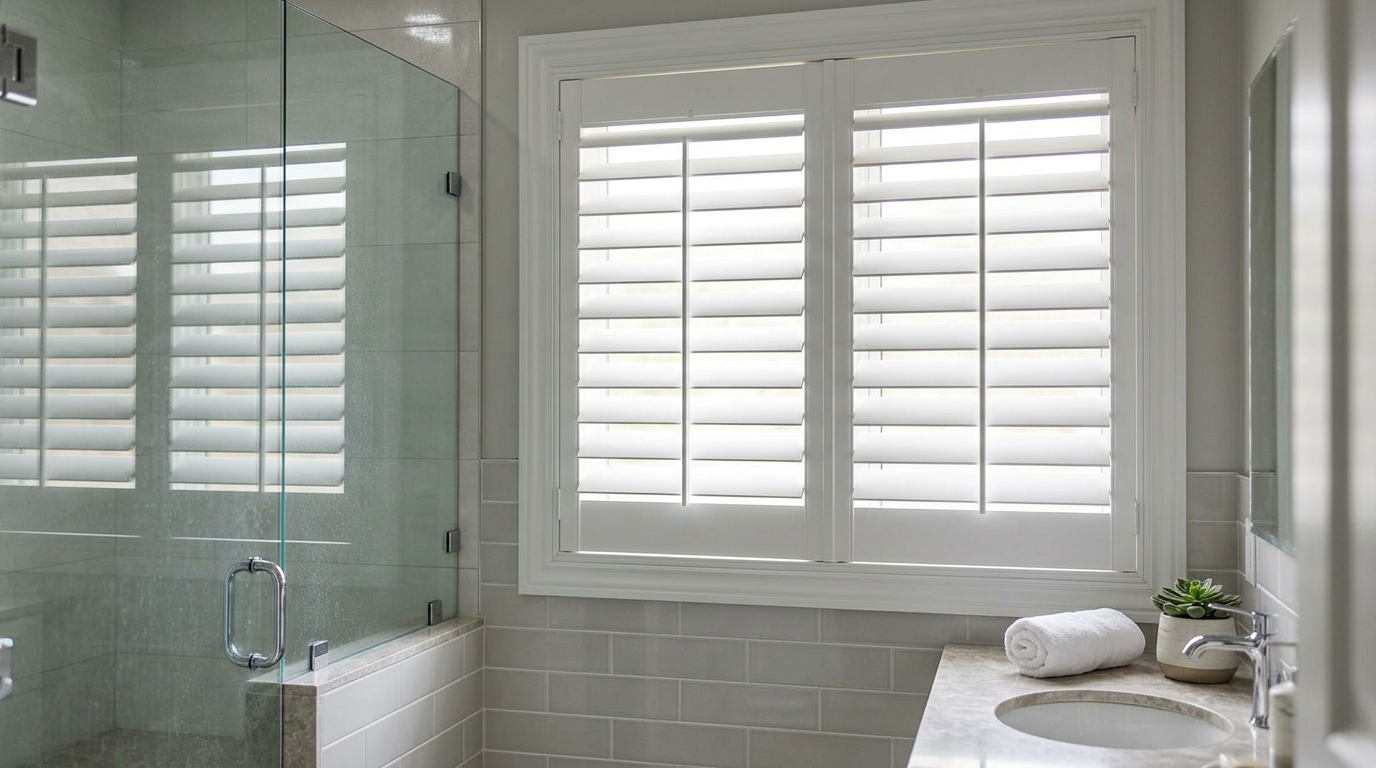
Comparing blinds vs shutters starts with how each unit mounts to the window frame and regulates incoming sunlight. Blinds use suspended individual slats or vanes that tilt on a cord or wand mechanism to filter glare at exact angles. Shutters attach directly to the window casing as solid hinged panels fitted with movable louvers, creating a fixed architectural fixture with heavy-duty light blocking.
Homeowners typically choose between these two options based on target budget, lifespan, and room design. Blinds West assists local property owners in matching specific window coverings to individual room requirements, evaluating material grades, daily operation, and privacy levels. The table below compares the main specifications of both window treatments:
| Feature | Blinds | Shutters |
|---|---|---|
| Materials | Built from aluminum, vinyl, fabric, faux wood, or real wood. Selections span from premium Hunter Douglas Window Coverings|blinds West Calgary lines to entry-level budget models. | Constructed from solid wood, faux wood, or engineered composite. These dense materials deliver a heavy, solid structure similar to alta window fashions. |
| Light Control | Tilting slats or vanes adjust easily to manage daylight levels and sightlines. | Built-in louvers angle up or down to direct light, while the hinged panels swing wide for an unobstructed view. |
| Durability & Maintenance | Shorter lifespan than solid shutters and may need occasional window blind repair. Routine upkeep requires simple dusting or wiping down individual slats. | Built for long-term wear and structural strength. Wide louvers wipe clean quickly using a damp cloth. |
| Installation | Fast, straightforward mounting process using brackets placed either inside or outside the window recess. | Detailed installation process that requires custom fitting directly into the window opening for a permanent, built-in profile. |
| Style & Aesthetics | Available in dozens of colors, surface textures, and lift styles, including automated motorized systems. | Delivers a traditional, permanent look that resembles custom interior millwork or cabinetry. |
Pros and Cons of Window Blinds
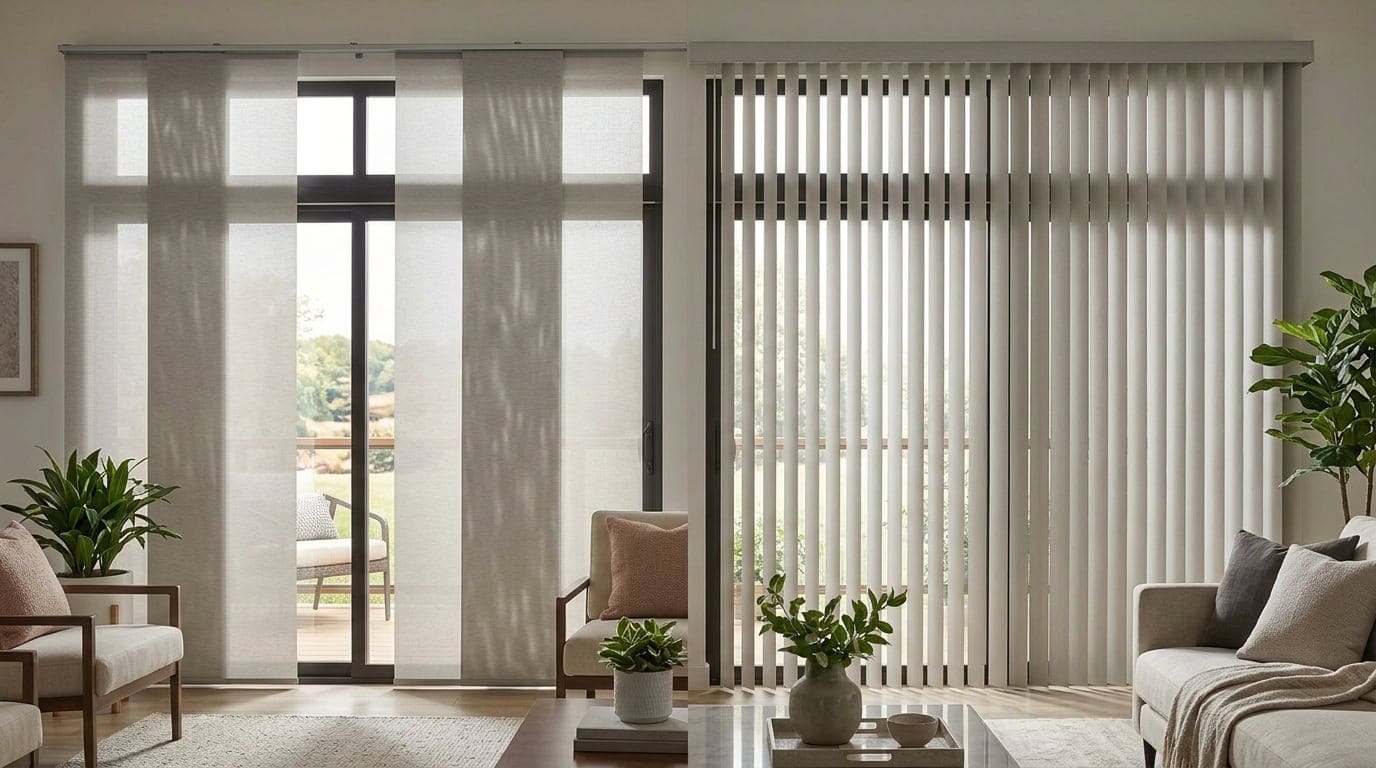
Homeowners comparing blinds vs shutters frequently select Window blinds for their lower initial price and broad material selection. Tilting the slats gives exact control over incoming daylight and room privacy throughout the day. Installing new blinds immediately updates a room’s appearance while improving daily sun control.
Blinds West stocks lines ranging from Alta Window Fashions to specialized room-darkening systems, fitting a wide spectrum of household budgets and interior designs. Blinds work best when buyers prioritize adaptable light filtration and diverse color choices. Buyers should still evaluate ongoing maintenance needs before making a final purchase.
| Pros | Cons |
|---|---|
| Broad selections of materials, textures, and colors support custom room designs. | Lower thermal insulation than shutters reduces overall window energy efficiency. |
| Tilting slats deliver precise adjustments for glare reduction and privacy. | Horizontal slats trap dust quickly, requiring regular wiping on faux wood and fabric styles. |
| Lower initial purchase price than custom shutters suits strict renovation budgets. | Standard lift cords pose entanglement risks for children and pets unless upgraded to cordless systems. |
| Simple mounting brackets make installation and future style swaps fast. | Lifespan depends heavily on material grade, as thin slats can bend, fray, or warp in humid rooms. |
| Slim profiles keep window frames looking open and airy. | Thin slats block less street noise than solid wood or vinyl shutter louvers. |
| Angled slats block direct sightlines from outside while letting daylight filter into the room. | Stacked horizontal slats at the top of the window frame can partially block the glass view when raised. |
| Compatible with PowerView motorization and smart home automation systems. | Lightweight aluminum or fabric components bend or tear easily if pets or children pull on them. |
Advantages and Disadvantages of Shutters
Interior shutters attach directly to the window frame, delivering a structured architectural look and superior durability compared to corded window shades. Because installers mount these rigid panels permanently into the casing, the hardware resists daily wear for decades. Buyers must weigh this structural permanence against higher upfront material costs and reduced window clearance.
Homeowners comparing blinds vs shutters need to evaluate how fixed panels impact room layout and daily operation. Blinds West observes that property owners seeking permanent architectural upgrades frequently select plantation shutters for their resale value and classic styling. Comparing composite faux wood against natural hardwood helps buyers match specific humidity tolerances and maintenance routines.
| Pros | Cons |
|---|---|
| Rigid frame construction outlasts standard corded window coverings. | Upfront purchase and installation costs exceed most blind styles. |
| Thick louvers block thermal transfer and lower monthly heating and cooling bills. | Tilting louvers offer fewer light-filtering angles than top-down or sheer blinds. |
| Solid wood and composite panels block exterior sightlines completely when closed. | Hinged panels swing outward or fold rather than stacking compactly at the top of the glass. |
| Permanent architectural framing adds measurable equity to the property. | Wide horizontal louvers accumulate surface dust and need routine wiping. |
| Cordless rigid slats clean quickly with a dry microfiber cloth or duster. | The Truth About Energy Efficient Shutters depends heavily on core material density and tight frame sealing. |
When to Choose Blinds
Blinds are often the top pick for homeowners who want affordable window coverings and quick daylight adjustments. Because they fit nearly any room or decor style, they solve everyday window challenges without requiring a large initial budget. In the blinds vs shutters comparison, property owners select blinds when they plan to update room styles every few years or need adaptable privacy solutions.
Homeowners can customize blinds across dozens of materials, colours, and lift systems. Blackout models block incoming light completely for bedrooms and media rooms, while Hunter Douglas systems include top-down/bottom-up mechanics for exact glare management. Buyers who prioritize adjustable privacy and light filtering at a lower price point get the best value from blinds.
Still, blinds do not suit every installation. Homeowners who want a built-in architectural fixture with superior thermal insulation, or who prioritize durability against frequent use, will find that shutters outperform standard blinds. Evaluate daily wear, moisture exposure, and long-term plans for each room before placing an order.
| Situation | Why Blinds Excel |
|---|---|
| Budget-Conscious Projects | Lower per-window pricing makes it affordable to outfit an entire house on a strict budget. |
| Frequent Design Changes | Simple removal and diverse colour palettes let homeowners swap units easily during room makeovers. |
| Specific Light & Privacy Needs | Duolite dual-fabric systems and adjustable slats give exact control over incoming sunlight and sightlines. |
| Rented Properties | Modest upfront costs make blinds a smart financial match for landlords and short-term tenants. |
| Windows with Unique Shapes | Custom manufacturing adapts blinds to fit arches, angled frames, and circular specialty glass. |
When to Choose Shutters
Homeowners comparing blinds vs shutters must weigh initial installation prices against lifespan and visual goals. While both window coverings regulate sunlight and protect room privacy, they differ sharply in structural longevity and architectural presence.
Eleanor is updating her property in Calgary and cannot decide between blinds or shutters. She likes the broad style selection and lower starting price of blinds, yet worries they will wear out faster than solid shutters. Does the extended lifespan and built-in look of shutters validate the higher upfront spend? Must Eleanor favor the budget-friendly versatility of blinds, or invest in the lasting structure of shutters for her Calgary home remodel?
Recommendation: Shutters
Blinds West advises selecting shutters when structural longevity and a built-in architectural look top the priority list for a remodel. Their solid frame construction attracts Calgary property owners who want a permanent window covering that adds measurable resale value to the house.
Making Your Choice with Blinds West
Selecting between blinds vs shutters requires matching your room function, design preferences, and budget. Blinds deliver adjustable light filtering and diverse material options across accessible price points. Shutters add a built-in, architectural structure with extended longevity. Homeowners can compare these specific traits to outfit each room effectively.
Blinds work best when you want wide color selections and adaptable light management. Conversely, if property value, heavy-duty build quality, and a traditional look top your list, shutters serve as the stronger long-term investment. Blinds West helps homeowners compare these practical differences when picking out new window coverings.
| Product | Best For | Budget | Reason |
|---|---|---|---|
| Blinds | Adjustable light control and regular decor updates | Lower upfront cost | Tilting slats and vanes manage incoming light accurately, while broad material and color choices fit shifting interior styles. |
| Shutters | Long-term durability, classic style, and resale value | Higher upfront cost | Permanent window frames boost thermal insulation, block outside noise, and increase overall home equity. |
| Motorized Blinds | Hands-free operation and smart home setups | Mid-range to high | Remote, mobile app, and voice controls adjust high or hard-to-reach windows with zero manual effort. |
| Faux Wood Shutters | Moisture protection in kitchens and bathrooms | Mid-range | Composite materials prevent warping, cracking, and UV fading in damp or humid spaces. |
| Duolite Shades | Daytime glare control and nighttime privacy | Mid-range to high | Dual-fabric construction pairs a light-filtering sheer with a room-darkening liner on one roller using the Duolite system. |
FAQ
Deciding between blinds vs shutters involves weighing factors like long-term durability, upfront costs, and energy efficiency for your Calgary home. Explore the common questions below to compare how these popular window coverings differ in design, installation, and everyday performance.
| Question | Answer |
|---|---|
| How do window blinds and shutters differ in design, installation, and operation? | When comparing blinds vs shutters, the main differences come down to how they attach to the window and how their parts move. Blinds hang from a top headrail installed inside or outside the window recess, using cords, wands, or motors to tilt the slats and raise or lower the entire shade. Shutters feature rigid wood or composite frames mounted directly into the window casing as a permanent fixture. Instead of lifting up, shutters use hinged panels that swing open and stationary louvers that tilt to control light and privacy. |
| Do blinds or shutters last longer as a durable window covering for Calgary homes? | Shutters last longer than blinds, often exceeding 20 years due to their solid wood or composite frames installed directly onto the window. Standard window blinds typically last 5 to 15 years depending on the material and daily wear. When comparing blinds vs shutters for Calgary homes, shutters provide a more permanent, durable solution that stands up well to strong year-round sunlight and seasonal temperature shifts. |
| How do the costs of blinds vs shutters compare for Calgary homeowners? | Comparing blinds vs shutters in Calgary starts with your initial budget, as blinds require a lower upfront investment and offer options across many price points. Shutters carry a higher purchase and installation price because they are custom-built into the window frame using solid wood or composite materials. Over time, Calgary homeowners often recoup the higher cost of shutters through a 20-year-plus lifespan, improved window insulation, and increased property resale value. |
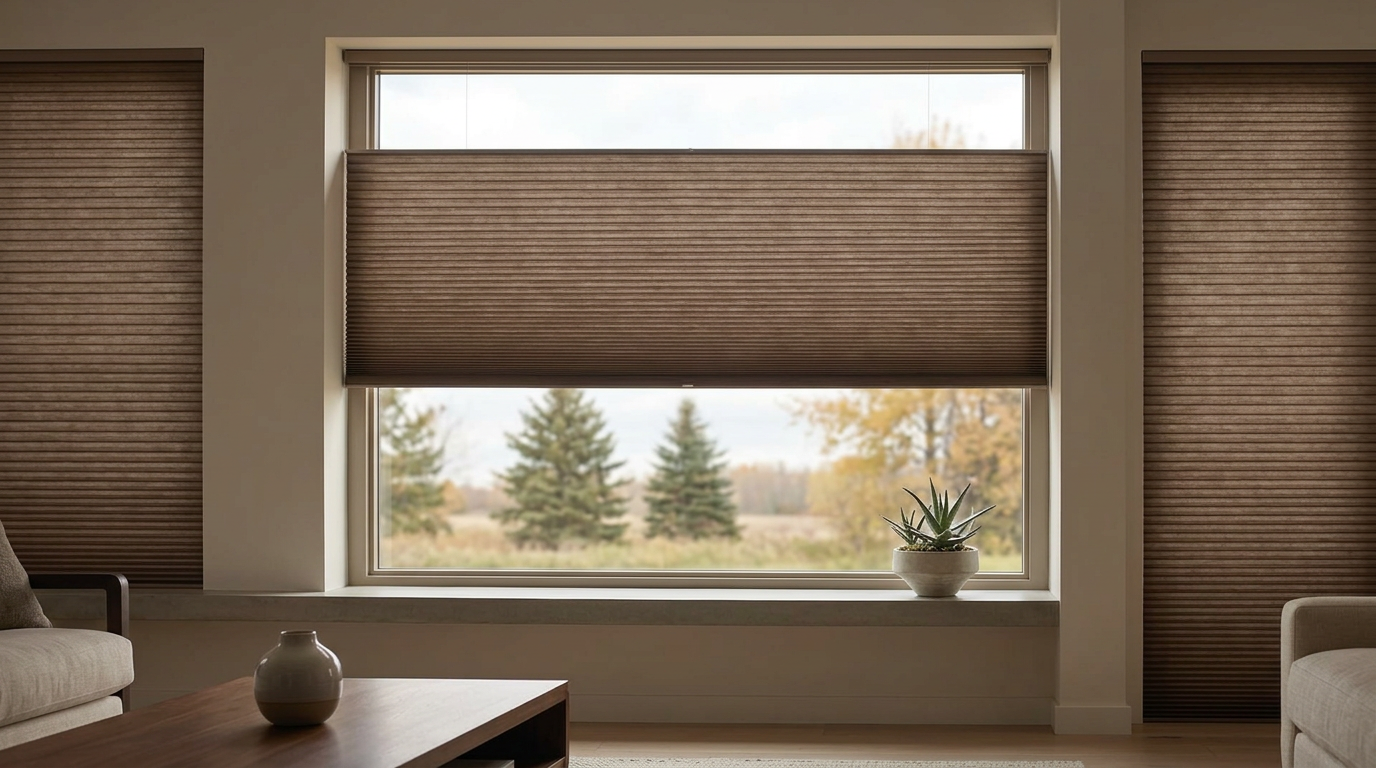
| Do blinds or shutters provide better insulation and energy efficiency for Calgary homes? | Shutters provide better overall insulation for Calgary homes because their solid wood or composite frames mount directly to the window casing, creating a tight seal against winter drafts and summer heat. When comparing blinds vs shutters for energy efficiency, custom-fitted shutters block thermal transfer more effectively than standard slatted blinds. Cellular honeycomb blinds also trap air to improve window insulation, though shutters remain the more permanent barrier against Calgary’s extreme seasonal temperature swings. |