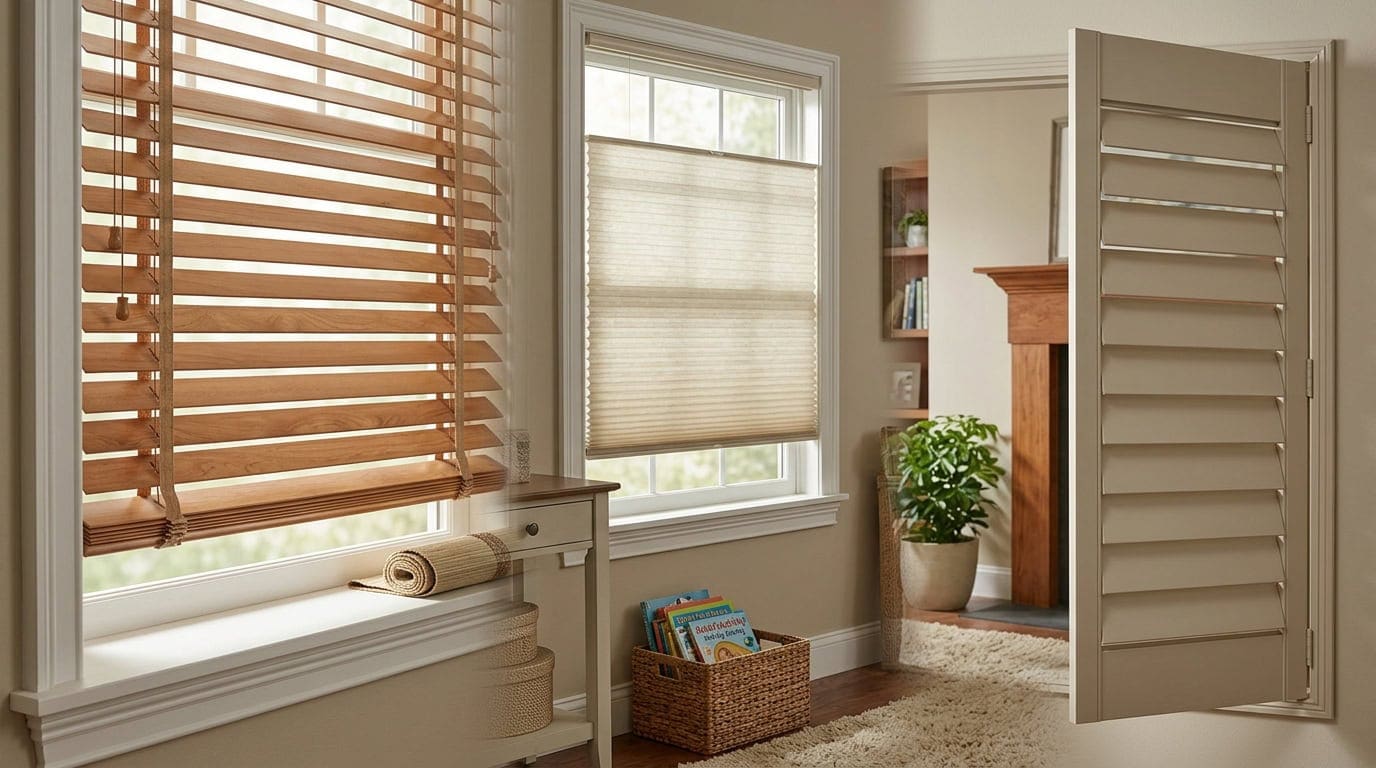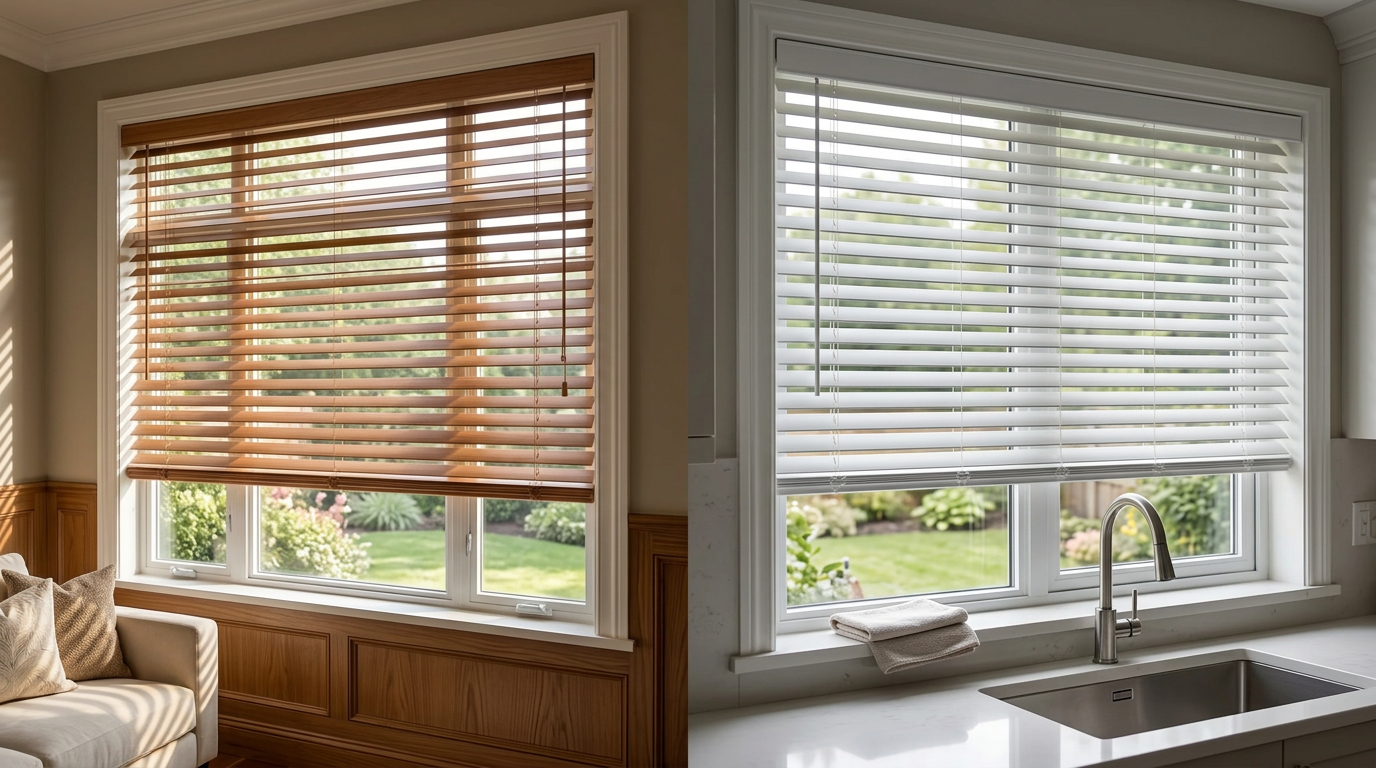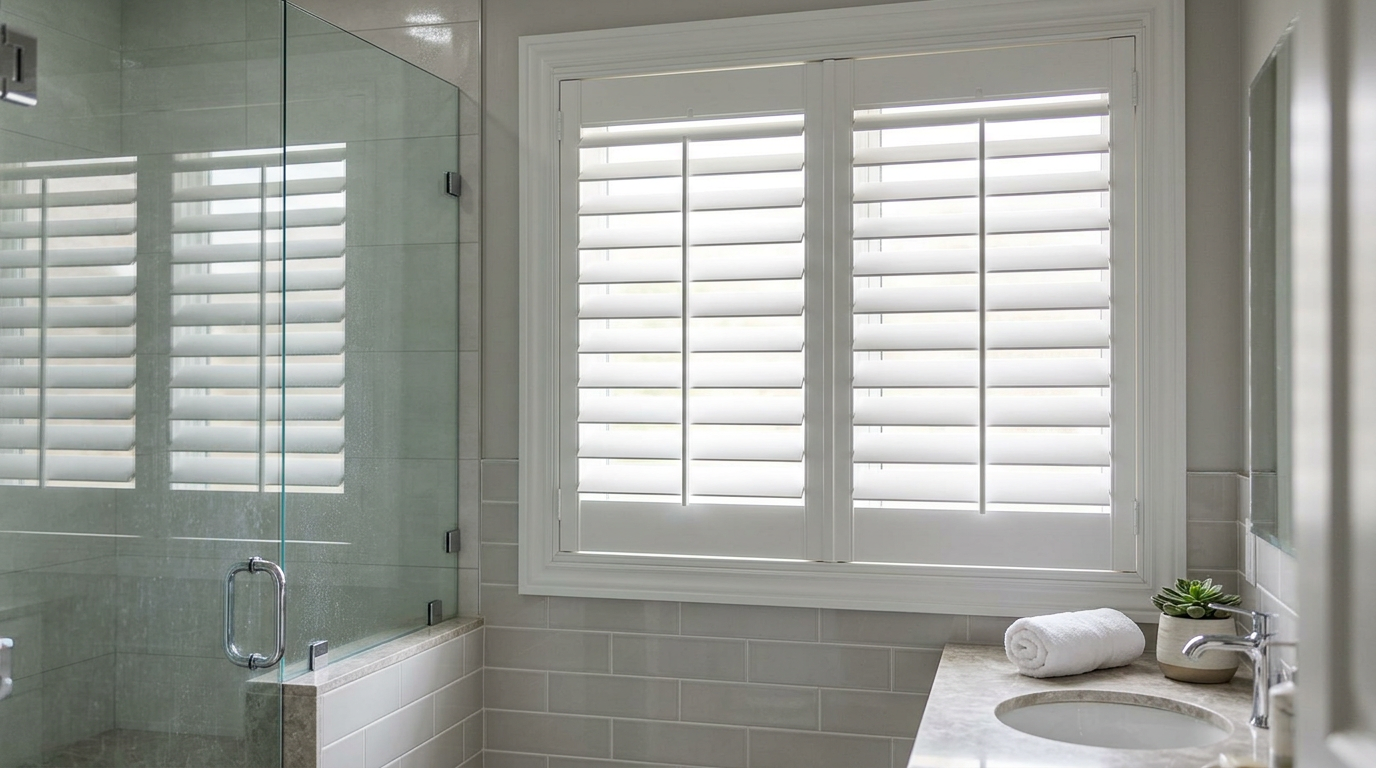
Investing in Hunter Douglas window treatments allows homeowners to position their coverings at any height, balancing daylight intake with street-level seclusion throughout diverse northern seasons. Blinds West installs these versatile systems across popular collections like Duette® and Provenance®, offering crucial climate insulation alongside advanced glare protection. Selecting hunter douglas top down bottom up shades for canadian homes ensures optimal interior comfort and privacy, whether navigating bright summer afternoons or bitter winter freezes.
Overview
Selecting window coverings requires balancing thermal performance, daylight exposure, and street visibility across changing seasons. Homeowners evaluating Hunter Douglas top down bottom up shades for Canadian homes often compare fabric cell constructions against traditional woven materials to resolve drafty window sills and glare.
This guide breaks down fabric styles, operating mechanisms, brand comparisons, and a labeled real-world hypothetical featuring a clear site-level recommendation to help narrow your selection.
- Climate Performance: Examine how dual-direction cellular designs trap air along glass panes during cold seasonal shifts.
- Fabric Collections: Review compatible textiles and cellular structures across official shade style options.
- Brand Comparison: Contrast operating hardware, fabric durability, and rail tolerances against alternative premium brands.
- Mounting Systems: Evaluate manual cordless gear alongside smart motorization during hardware installation planning.
- Real-World Example: Walk through a labeled real-world hypothetical balancing window glare and street-level exposure in daily living spaces.
- Selection Criteria: Match specific room orientations, depth clearances, and lifestyle priorities when choosing custom shades.
Seasonal Sunlight and Privacy Control for Northern Climates
Low-angle winter sunshine and long summer days create distinct illumination challenges across Alberta. Standard window coverings force a compromise between welcoming natural daylight and exposing indoor spaces to street-level passersby. The dual-rail mechanism on Hunter Douglas window coverings solves this conflict by decoupling top and bottom movement, allowing homeowners to position the shade material anywhere along the glass.
How the Dual-Rail Mechanism Works
The system relies on independent movement across two separate rails, operating in three distinct positions:
- Top rail lowered: Daylight flows across the ceiling while the lower fabric spans the bottom pane to obscure outside sightlines.
- Bottom rail raised: The shade stacks near the window head like a traditional treatment, opening the lower view completely.
- Both rails adjusted: The fabric panel floats mid-window, blocking direct sightlines at eye level while leaving both upper and lower glass uncovered.
On bright, snow-covered afternoons in Calgary and Edmonton, reflections off ground snow generate harsh glare on computer monitors and living room furniture. Lowering the upper headrail allows clear sky views from above while the resting lower panel shields screens from blinding ground-level reflections. During summer, positioning the shade fabric over the bottom two-thirds blocks intense south-facing rays, protecting hardwood floors and upholstery from prolonged UV exposure.
For rooms facing dense sidewalks or neighbouring properties with zero-lot-line spacing, this orientation allows daily illumination without feeling exposed. When evaluating multi-pane layouts, homeowners can also compare this hardware against the Hunter Douglas DuoLite® operating system, which pairs two separate fabric opacities on a single headrail to manage day and night conditions. We review room orientation, window depth, and daily sunlight paths during our consultations to determine which shade style matches each space.
Hunter Douglas Shade Collections Featuring Dual Direction Movement
Operating dual-rail window coverings gives Canadian homeowners direct control over daylight and street-level seclusion. Hunter Douglas provides its Top-Down/Bottom-Up operating system across primary product lines, enabling residents to drop the top rail downward, draw the bottom rail upward, or position both rails anywhere between the frame. This mechanical flexibility allows low-angled winter sun to illuminate ceilings and living areas while keeping ground-level viewlines blocked from neighbouring houses or sidewalk foot traffic.
We examine window direction, frame depth, and neighbourhood sightlines when homeowners evaluate different fabric designs for their living spaces. Distinct shade styles incorporate this dual-action mechanism to meet varying aesthetic and room layout requirements:
- Hunter Douglas Duette® Cellular Shades: Designed with an engineered honeycomb structure, these cellular shades present an extensive catalog of fabrics, textures, and colour tones. The Top-Down/Bottom-Up lift system operates by lowering from the upper frame while the lower honeycomb section remains in place, securing interior privacy while admitting daylight overhead.
- Hunter Douglas Vignette® Modern Roman Shades: Built with clean, uniform fabric folds and an uncluttered reverse backing, this style updates traditional drapery aesthetics. Homeowners interested in dual fabric opacities can explore Hunter Douglas Vignette® DuoLite® Shades to see how layered textiles perform in open-concept rooms.
- Hunter Douglas Silhouette® Window Shadings: Constructed with fabric vanes suspended between translucent sheers, this treatment filters direct glare without eliminating outside views.
- Secondary Dual-Option Systems: Reviewing the Hunter Douglas DuoLite® operating system demonstrates an alternative approach where light-filtering and room-darkening fabrics combine on a single headrail.
Before ordering custom coverings for south-facing or street-adjacent windows, local window coverings dealer benefits ensure you can test physical fabric opacities, compare stack heights, and confirm mounting depths in person. Our installers assist with measuring frame squareness and evaluating sill clearances so each shade functions smoothly through every seasonal adjustment.
Comparing Dual-Direction Shades Across Leading Manufacturers
Deciding between Hunter Douglas shade operating systems and competing lines comes down to hardware construction, fabric durability, and rail mechanics. While several manufacturers produce shades that lower from the top and lift from the bottom, mechanical tolerances inside the headrail dictate how cleanly the shade stacks and travels over years of daily adjustment.
Shoppers who review window treatments side by side quickly notice that internal cord routing and fabric resilience differ substantially among brands. In budget dual-direction shades, thin internal cords can stretch or bind when the moving rails sit off-level. Hunter Douglas engineers its Top-Down/Bottom-Up operating system around rigid headrail channels and balanced tension lines, allowing the top rail to drop smoothly for natural daylight while the lower section shields street-level sightlines.
| Evaluation Factor | Hunter Douglas Duette® Shades | Standard Competing Lines |
|---|---|---|
| Rail Operation | Moves top down, bottom up, or both simultaneously without rail tilt | Manual friction cords that often skew over wider glass panes |
| Fabric Stability | High-grade polyester textiles resistant to pleat sagging | Lighter synthetic blends with variable long-term pleat retention |
| Custom Options | Compatible with diverse opacities and the DuoLite® dual-opacity system | Basic single-fabric builds with limited light-filtering selections |
| Installation Hardware | Concealed brackets matched to shallow or deep casing profiles | Universal stamped brackets that can protrude into room trim |
We advise inspecting physical fabric samples and rail models in person before finalizing specifications. Reviewing local window treatment showroom benefits helps clarify why factory warranties and fabric tiers matter for homes facing intense sunlight and shifting seasonal exposures. At Blinds West, we guide clients through these structural differences so every room receives a properly balanced, long-lasting installation.
Hardware Fitting and Lift Controls for Dual Direction Shades
Precise mounting bracket placement determines how smoothly dual-rail shades track across tall glass. When we measure window frames in Calgary homes, millimetre-level depth checks prevent outer fabric rubbing and eliminate side light halos that disrupt evening privacy. Level headrail anchors ensure both the upper and lower rails move independently without tilting or binding over years of daily adjustments.
Comparing Manual and Motorized Lift Controls
Selecting the right operating mechanism depends on window accessibility, cord safety priorities, and power infrastructure. Below is an overview of standard control setups available for dual-direction window coverings:
| Control Mechanism | Primary Handling Method | Power and Wiring Needs | Ideal Room Applications |
|---|---|---|---|
| LiteRise® Cordless | Manual push or pull on the bottom rail or top handle | None (zero batteries or wiring required) | Ground-level bedrooms, home offices, and child-safe living areas |
| PowerView® Automation | Remote control, smartphone app, or preset time scenes | Rechargeable battery wand, AA/C packs, or hardwired DC power | Two-storey foyers, clerestory glass, and banks of multiple windows |
| SoftTouch® Motorization | Light wand pull downward or push upward | Integrated battery wand housed inside the headrail | Single window openings requiring quick touch adjustment |
Homeowners outfitting hard-to-reach transom openings often combine motorized systems with automated schedules to harvest winter daylight during peak morning hours. Cord-free manual designs like LiteRise® deliver clean sightlines without dangling loops, making them dependable choices for street-facing main floors. We advise reviewing physical rail samples and confirming current manufacturer motor compatibility during an in-home consultation before finalizing hardware orders.
Balancing Living Room Daylight and Street Privacy
Ground-floor windows facing busy walkways force homeowners to manage a constant tension between indoor seclusion and daytime sun. Standard horizontal blinds present an all-or-nothing dilemma: opening the slats admits natural brightness but exposes the room to outside foot traffic, while shutting them creates an uninviting, closed-off space. Selecting Hunter Douglas window coverings by room allows you to tailor privacy controls to the exact elevation of each window pane.
Homeowners evaluating whether to replace conventional blinds frequently wonder if dual-rail shades warrant the investment for street-facing living areas. The primary functional advantage rests in the mechanical design: Hunter Douglas top-down/bottom-up systems feature independently moving rails. Instead of keeping the entire window covered or completely exposed, you can lower the upper rail downward to admit sky light over the room while leaving the lower portion raised across eye level.
Hunter Douglas Duette® Cellular Shades paired with this dual-direction system resolve sidewalk visibility concerns on main floors. According to Hunter Douglas Canada, dropping the top of the shade directs natural daylight upward across the ceiling, which disperses soft illumination through communal living areas while shielding interior furnishings from pedestrian view. Visiting the Calgary showroom to see Hunter Douglas fabrics lets homeowners test these dual-rail adjustments firsthand and evaluate how cellular materials soften direct glare along busy residential streets.
How to Select Hunter Douglas Top Down Bottom Up Window Coverings
Low winter sun angles and street-level sightlines present a specific challenge for properties across Alberta. Homeowners who plan room layouts by window orientation often look to Shop By Room configurations to ensure each space balances exposure with interior screening. Hunter Douglas designed its Top-Down/Bottom-Up operating system to solve this exact issue. By allowing the top rail to drop down toward the sill or the bottom rail to travel upward, the shade can be placed anywhere in between. Natural daylight enters through the top pane while the lower portion of the glazing remains masked against pedestrian views.
Duette Cellular Shades Versus Roman Profiles
Choosing between fabric styles requires looking closely at material structure and how the window receives direct sun. Hunter Douglas Duette® Cellular Shades feature a honeycomb design that holds air pockets against the glass, and the manufacturer lists Top-Down/Bottom-Up as an available operating system across a broad selection of fabrics, colours, and textures. In contrast, traditional Roman shades gather in horizontal fabric folds. While Roman shades present an elegant drapery look, honeycomb cellular textiles offer a compact stack that stays tucked neatly out of view when fully opened.
| Product Style | Best Fit by Room | Fabric and Visual Profile |
|---|---|---|
| Hunter Douglas Duette® Cellular Shades | Street-facing main floors, ground-level bedrooms, and home offices | Honeycomb cellular pockets available in sheer, semi-opaque, and room-darkening opacities across varied textures |
| Roman Shades | Formal dining rooms, living areas, and decorative feature windows | Classic tailored fabric folds and cascading soft pleats without cellular air pockets |
Key Questions for Your Consultation
Before ordering custom coverings for unique window dimensions, reviewing options via Shop By Window guides can help determine the right mount depth and hardware profile. We assist homeowners with comparing physical swatches under residential lighting, and we recommend reviewing these questions before finalizing an order:
- Operating controls: Confirm which manual cordless or automated lift mechanisms are currently listed for the exact dimensions of your window casing.
- Window height and accessibility: For tall windows or glass set above furniture, consider how reach affects daily adjustments when positioning the upper rail.
- Fabric opacity requirements: Sheer materials soften glare while preserving an outside view, whereas semi-opaque and opaque fabrics provide complete evening screening in private quarters.
- Glazing exposure: South-facing living rooms receive intense midday brightness, while north-facing spaces benefit from keeping the top section open to capture sky light throughout the afternoon.
At Blinds West, we invite homeowners to book an in-home consultation to examine fabric swatches in person and test how dual-rail adjustments function in your own living space.
FAQ
To help you navigate regulations, climate considerations, and installation details, the table below addresses common inquiries about choosing and maintaining Hunter Douglas top down bottom up shades for Canadian homes. Review these quick answers to ensure you select the best configuration and fabric for your space.
| Question | Answer |
|---|---|
| Can Canadian corded window covering regulations affect top down bottom up shade availability? | Health Canada regulations restrict free-hanging cords on custom window coverings to protect children and pets. Hunter Douglas top down bottom up shades comply by using cordless LiteRise® systems, retractable UltraGlide® wands, or motorized PowerView® Automation. If you are ordering shades for a Calgary residence, manual corded pulleys are replaced with these certified cordless or concealed mechanisms. |
| Will cellular top down bottom up shades help block winter drafts along Calgary window sills? | Positioning the bottom rail firmly against the window sill creates an insulating air barrier that slows conductive heat loss through the glass. Hunter Douglas Duette® honeycomb fabrics trap cold air inside cellular pockets before it enters the room. If your home experiences severe sub-zero temperatures, keep the bottom rail seated on the sill and lower only the top rail during daylight hours. |
| What happens if an inside mount window casing lacks sufficient depth for dual rails? | Top down bottom up shades require extra mounting depth because both the moving middle rail and top headrail sit within the frame. If your window casing has narrow jambs under two inches deep, an outside mount fastened to the trim or wall provides full clearance. This mounting method also eliminates perimeter light gaps along shallow window frames. |
| How do you prevent internal cords from tangling on manual dual-direction shades? | Always adjust the rails using smooth, level motions centered on the handle rather than pulling from one edge. Hunter Douglas builds internal cord tensioners to guide movement, but uneven pressure can cause the floating rail to tilt. If a rail sits crooked, lower the entire shade completely to the sill to reset the internal cord spool tension. |
| Does moisture from bathroom windows damage top down bottom up fabrics? | High humidity can cause natural woven fabrics or untreated textiles to mildew or lose pleat retention over time. Hunter Douglas synthetic polyester fabrics, such as select Duette® cellular weaves, resist moisture and wipe clean with a damp sponge. If you install shades next to a shower or bathtub, ensure adequate room ventilation to keep the internal hardware dry. |
| Which fabric opacity balances daytime privacy with sky views on ground floor windows? | Semi-opaque and light-filtering fabrics conceal interior shapes from street-level pedestrians while allowing natural sunlight to brighten the room. Lowering the top rail brings direct sky views into the room above eye level without revealing the living space. If you want nighttime privacy with interior lights switched on, select an opaque or room-darkening fabric grade instead of sheer. |
| Are Roman shade styles heavier to lift manually than cellular shades in this configuration? | Vignette® Modern Roman Shades use heavier woven textiles and structured fabric folds that add physical weight compared to lightweight cellular polyester. Raising the bottom rail on a wide Roman shade requires slightly more manual effort with a LiteRise® handle. If you have wide or tall living room windows, pairing heavier fabrics with PowerView® motorization prevents manual lifting fatigue. |
| Can PowerView Automation adjust the top and bottom rails independently through smart routines? | The PowerView® mobile app lets you create scheduled scenes that move the middle floating rail and bottom rail to distinct percentage points. You can program shades to lower six inches from the top at sunrise and seal fully shut at dusk. If you integrate the system with Apple Home, Amazon Alexa, or Google Home, voice prompts can trigger these specific dual-rail positions. |
| What is the typical turnaround time for custom Hunter Douglas shades in Calgary? | Custom-manufactured shades generally arrive within three to five weeks after final window measurements are confirmed. Each unit is built to exact fraction-of-an-inch dimensions to ensure both moving rails travel freely inside your specific window frames. If your Calgary renovation project has a strict completion deadline, ordering shades before final trim painting helps keep schedules aligned. |
| Why are internal guide cords visible when lowering the top rail of these shades? | Thin, color-matched tension cords run vertically through the window opening to keep the bottom rail stable and support the floating middle rail. These cords remain exposed only across the open glass section when the top fabric drops down. If minimal cord visibility is preferred, cellular fabrics hide the cord routing internally through the cells when the fabric remains stacked. |
| Do pets cause operational problems with low-hanging top down bottom up rails? | Cats and dogs often push under window coverings to look outside, which can bend lower rails or displace lightweight fabric pleats. Setting the bottom rail several inches above the sill allows pets clear sightlines below while preserving street privacy for the rest of the room. If pets frequently brush against the bottom fabric, durable polyester cellular materials hold their shape better than delicate soft weaves. |
| How do you clean dust out of the open cells when the shade remains partially lowered? | Use a vacuum cleaner fitted with a soft brush attachment running on low suction across the fabric pleats and open cell ends. A handheld hairdryer set strictly to cold air can blow settled dust or insects out of internal honeycomb channels without creasing the fabric. If spot cleaning is needed, dab stains gently with mild soapy water rather than rubbing the fibers. |
| Is an outside mount recommended for patio doors that open inward? | Inward-swinging French doors or entry doors will collide with the protruding headrail and floating rails of an outside mount. Inside mounts fitted directly to the door glass frame work better, provided hold-down brackets secure the bottom rail during door movement. If your door lacks frame depth around the glass pane, consider alternative low-profile window treatments instead. |
| When should homeowners choose DuoLite® over a standard top down bottom up configuration? | The Hunter Douglas DuoLite® system combines two distinct fabrics on one shade, such as a sheer upper panel and a blackout lower panel. Standard top down bottom up shades expose clear glass at the top, which offers no UV filtering or glare reduction when lowered. If you want softened daylight and heat protection across the entire window height while retaining privacy, DuoLite® provides a better fabric solution. |
| How much clearance is required between the shade fabric and window cranks? | Protruding casement window cranks can snag the floating middle rail as it travels down the frame. A minimum clearance of one inch behind the headrail bracket keeps the moving textile from catching on hardware. If your window crank interferes with inside movement, replace standard handles with low-profile folding cranks before installing your shades. |
| What should you check if a PowerView motorized shade stops responding to rail commands? | Verify that the rechargeable battery wand maintains an active charge or that the DC power cable connection sits firmly seated in the headrail. Check that the PowerView® gateway connects to your home network and shows an active green status light. If a single rail stops tracking properly, perform a manual calibration reset using the programming button on the headrail end cap. |