Decoding Window Treatment Opacities: Sheer, Light-Filtering, and Room-Darkening Explained

Confused by window treatment opacities? Find the perfect light control for any room. Discover sheer, light-filtering, and blackout options. Learn more.
1. Bold red background with three white vertical stripes, modern design, striking visual impact.
Blinds West Team

Understanding Window Treatment Opacities

Understanding window treatment opacities is fundamental to achieving the desired ambiance, privacy, and light control in any room. The opacity of a window covering dictates how much light it allows to pass through, directly impacting the overall feel and functionality of your living space. Making an informed choice about window treatment opacities ensures your home is both comfortable and stylish.

The level of opacity in window treatments plays a crucial role in managing natural light, maintaining privacy, and even contributing to energy efficiency. By familiarizing yourself with the different window treatment opacities, you can better select coverings that meet your specific needs, whether that’s a bright, airy feel or a more secluded, dim environment.

This guide will delve into the various levels of window treatment opacities, from the most transparent to those that block nearly all light. Exploring these options will empower you to make design decisions that enhance your home’s comfort and aesthetic appeal. Key considerations for choosing opacity include the room’s primary use, the direction it faces, and your personal preference for natural light. If you’re unsure where to start, consider a window consultation to guide your design journey.

What are Window Treatment Opacities?

Window treatment opacities refer to the degree to which a fabric or material allows light to pass through it. Understanding these window treatment opacities is fundamental when selecting window coverings, as it directly impacts the amount of natural light entering a room, the level of privacy it offers, and the overall ambiance. The opacity of a window treatment is a critical factor in balancing a desire for natural light with the need for seclusion and glare control.

The significance of window treatment opacities lies in their ability to transform a space. Whether you aim to diffuse harsh sunlight, block it out entirely, or simply maintain a sense of privacy, the opacity level of your chosen blinds, shades, or curtains plays a pivotal role. Making an informed choice about window treatment opacities ensures that your home is both comfortable and functional, aligning with your specific lifestyle and aesthetic preferences. For personalized guidance on selecting the perfect window treatments, consider exploring our window consultation design journey for more.

The primary categories for window treatment opacities generally fall into three main groups, each offering a distinct balance of light filtration and privacy:

  • Sheer: These fabrics allow the maximum amount of natural light to filter through while providing minimal privacy, offering a soft, diffused glow.
  • Light-Filtering: These options allow a substantial amount of light into the room but obscure direct views from the outside, offering a good balance of light and privacy.
  • Room-Darkening: Designed to significantly reduce light, these treatments block most of the sunlight, creating a darker environment ideal for media rooms or bedrooms.

For instance, a sheer fabric might be chosen for a living room where natural light is paramount, while a room-darkening option would be more suitable for a home theater. The careful selection of window treatment opacities ensures that each room serves its intended purpose effectively, enhancing both comfort and utility. If you’re considering automated options, understanding motorized shade systems can help you choose the best fit for your needs.

The Spectrum of Opacities: Sheer, Light-Filtering, and Room-Darkening

Understanding the different levels of window treatment opacities is key to achieving the perfect balance of light, privacy, and ambiance in your home. Each opacity level offers distinct benefits, allowing you to customize your environment to suit your specific needs and aesthetic preferences. Exploring these options helps you make informed choices about your window coverings, and our guide to the design journey can help you start, especially if you are considering motorized shades installation.

Sheer: Soft Light and Subtle Views

Sheer window treatments are designed to allow the maximum amount of natural light to enter a room while providing a soft, diffused effect. They offer minimal privacy, as they are easily visible through from the outside, especially at night. Sheer fabrics are ideal for creating an airy, open atmosphere and can be used to gently filter harsh sunlight, reducing glare without blocking the view entirely. For alternative light-filtering options, consider our guide to custom window shutters, which can also provide excellent light control.

Light-Filtering: A Balance of Light and Privacy

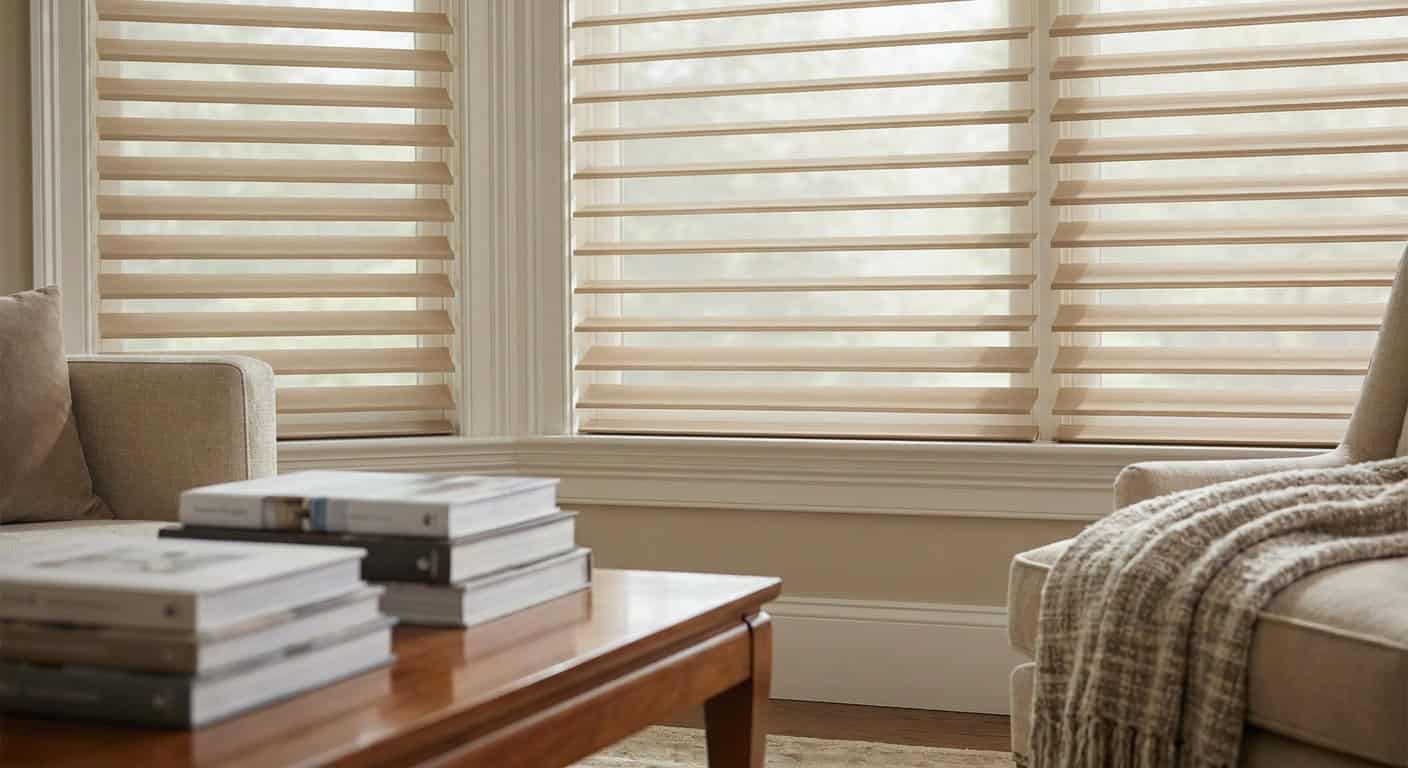
Light-filtering window treatments offer a middle ground between sheer and room-darkening options. These treatments allow a significant amount of natural light to pass through, but they obscure the view from the outside, providing a good level of daytime privacy. They are excellent for reducing glare and softening incoming sunlight, making them suitable for living rooms, dining rooms, and kitchens where natural light is desired but direct sun is not always welcome. The exact amount of light and privacy can vary depending on the specific fabric and weave. For kitchens, consider exploring durable window treatments for kitchens to ensure longevity.

Room-Darkening: Maximum Light Blocking for Comfort

Room-darkening window treatments are engineered to block out the vast majority of light, creating a darker environment within a room. While they don’t achieve complete darkness like blackout options, they significantly reduce light penetration, making them ideal for bedrooms, media rooms, or any space where light control is paramount. These treatments offer excellent privacy and can also contribute to energy efficiency by preventing heat transfer. Choosing among window treatment opacities like these ensures optimal comfort and functionality, and if you need to address issues with specific brands, understanding when to call a pro for Hunter Douglas repair can be helpful.

Benefits of Choosing the Right Opacity

Selecting window treatments with the appropriate opacity level offers numerous advantages that significantly enhance a home’s comfort, functionality, and aesthetic appeal. Understanding window treatment opacities is key to maximizing natural light while maintaining privacy and protecting interiors from harmful UV rays. Embarking on your design journey can be simplified by considering a window consultation to explore all your options, such as the differences between faux wood and real wood shutters.

The right opacity can also contribute to improved energy efficiency by helping to regulate indoor temperatures. Properly chosen window coverings can reduce heat gain in the summer and heat loss in the winter, leading to lower utility bills. This makes an informed decision about window treatment opacities a wise investment for any homeowner.

For homeowners in our region, understanding how different opacities perform under varying light conditions throughout the day and year is particularly important. Our team has extensive experience helping local clients find the perfect balance of light control and privacy for their unique homes and lifestyles. Embarking on your design journey can be simplified by understanding the options available, which is why we recommend reviewing our window consultation guide for more.

  • Energy Efficiency: By reducing direct sunlight and insulating windows, appropriate opacities can lower heating and cooling costs.
  • UV Protection: Window treatments with higher opacities can block a significant portion of harmful ultraviolet (UV) rays, protecting furniture, flooring, and artwork from fading and damage.
  • Enhanced Comfort: Controlling glare and excessive light can make rooms more comfortable for living, working, and relaxing.
  • Aesthetic Appeal: Opacity plays a crucial role in the visual design of a room, influencing the mood and ambiance. Sheer fabrics offer a light, airy feel, while room-darkening options provide a cozier atmosphere.

Choosing the correct window treatment opacities ensures that your home is not only beautiful but also a comfortable and energy-efficient sanctuary. This careful consideration impacts everything from daily comfort to the long-term preservation of your home’s interior furnishings.

How to Choose Window Treatments Based on Opacity Needs

Understanding the different types of window treatments and their opacity levels is key to making the best choice for your home. For instance, exploring options like roller shades can offer a wide range of light control, from sheer to blackout, allowing you to tailor the ambiance and functionality of any room.

Selecting the right window treatments involves carefully considering how much light and privacy you need in each room. Understanding the different levels of window treatment opacities is key to making informed decisions that enhance your home’s comfort and functionality. By aligning opacity with room purpose, you can optimize natural light while maintaining desired privacy. For personalized guidance on selecting the perfect window coverings, consider exploring our window consultation design journey, and learn more about durable kitchen window treatments.

Assessing Room-Specific Opacity Requirements

  1. Living Areas and Entertainment Spaces: For rooms where natural light is desirable for activities or ambiance, such as living rooms or dining rooms, opt for light-filtering or semi-sheer opacities. These allow diffused sunlight to enter, creating a warm atmosphere without harsh glare.
  2. Bedrooms and Private Sanctuaries: Bedrooms, bathrooms, and home offices often require higher levels of privacy and light control. Room-darkening or blackout opacities are ideal here, ensuring undisturbed sleep, preventing unwanted visibility, and reducing light for screen use.
  3. Kitchens and High-Traffic Zones: In kitchens or areas with frequent use, a balance of light and privacy is often preferred. Semi-sheer or light-filtering options can provide adequate daylight for tasks while offering a degree of privacy from external views.
  4. Areas Requiring UV Protection: If you have delicate furniture, artwork, or flooring that can be damaged by direct sunlight, consider treatments with a higher opacity that offer substantial UV protection, even if you still want some natural light. For expert advice on window treatments, consider this guide to choosing a Hunter Douglas dealer for more.

Matching Opacity to Light Control Preferences

Selecting the right window treatment opacity is crucial for achieving your desired ambiance and functionality. For a comprehensive understanding of how different opacities impact your space and to explore various options, consider starting your design journey with a consultation. For maintenance tips, learn how to clean fabric blinds easily.

  1. Maximize Natural Light: If your goal is to welcome as much natural light as possible while still softening its intensity and providing a sense of privacy, sheer or semi-sheer window treatments are the best choice. These options maintain an airy feel in the space.
  2. Balance Light and Privacy: For most general living spaces, light-filtering opacities strike an excellent balance. They significantly reduce glare and provide daytime privacy, allowing soft, diffused light to fill the room without compromising comfort.
  3. Create a Darkened Environment: When complete darkness or near-darkness is essential, such as for media rooms, nurseries, or bedrooms, room-darkening and blackout opacities are necessary. These treatments block out the vast majority of external light.
  4. Control Glare and Heat: Even in rooms where light is welcome, certain opacities can help manage heat gain and reduce glare on screens or surfaces. Light-filtering options, in particular, can diffuse sunlight effectively.

Considering Privacy Needs Throughout the Day and Night

Understanding the nuances of different window treatments is key to achieving your desired ambiance and functionality. For instance, if you’re considering custom window shutters, it’s helpful to know the differences between materials like faux wood and real wood to make an informed decision for your home.

  1. Daytime Privacy: For rooms facing busy streets or neighbours, even light-filtering treatments offer a good level of daytime privacy by obscuring direct views into your home. The level of privacy increases with opacity.
  2. Nighttime Privacy: When lights are on inside, the need for privacy becomes more critical. Room-darkening and blackout opacities provide the highest level of security against external viewing at night.
  3. Semi-Sheer for Minimal Privacy: Semi-sheer treatments offer a soft visual barrier during the day but will allow clear visibility into the room once interior lights are on at night. They are best suited for spaces where complete privacy is not a primary concern.
  4. Layering for Versatility: For ultimate flexibility, consider layering window treatments. For example, pairing sheer curtains with heavier room-darkening drapes allows you to adjust light and privacy levels throughout the day and night as needed. This approach ensures you can tailor the ambiance precisely to your requirements, a key benefit of understanding window treatment opacities for more.

Factors Influencing Opacity Choices

Selecting the right window treatment opacities involves carefully considering several interconnected factors that impact your home’s functionality, comfort, and overall aesthetic. Understanding these elements will help you make informed decisions that align with your specific needs and preferences. The goal is to achieve the perfect balance of light control, privacy, and visual appeal for each room.

When determining the ideal window treatment opacities, it’s essential to prioritize your primary objectives for each space. Think about how you use the room and what you want the window coverings to achieve. For example, a living room might prioritize natural light and a view, while a bedroom would likely require more significant light blocking and privacy. Our team can help you navigate these choices to find the best solutions, whether you’re considering options like choosing between wood vs. composite shutters for your home’s climate.

Light Control Needs

The amount of natural light you wish to allow into a room is a significant driver for choosing window treatment opacities. Some spaces benefit from abundant daylight, which can enhance mood and reduce the need for artificial lighting during the day. Other areas may require minimal light to maintain comfort, such as home theaters or bedrooms where sleep quality is paramount. For example, if you’re looking to create a dark environment for a media room, you’ll need treatments with superior light-blocking capabilities.

Consider the orientation of your windows as well. South-facing windows often receive intense sunlight, making light-filtering or room-darkening opacities a good choice to manage glare and heat. North-facing windows typically receive softer, more consistent light, allowing for a wider range of opacity options, including sheerer fabrics.

Privacy Levels Required

Privacy is a critical consideration, especially in areas like bathrooms, bedrooms, and ground-floor living spaces. Window treatments with higher opacities effectively block the view from the outside, ensuring a sense of security and personal space. Even in living areas, you might want to control who can see into your home without completely sacrificing natural light. For expert advice on choosing the right window coverings, consider the benefits of visiting a local dealer; 5 reasons to visit a Hunter Douglas window coverings Calgary dealer before buying online can offer valuable insights.

Some homeowners opt for layered window treatments to achieve versatile privacy. For instance, combining sheer curtains with heavier drapes allows you to adjust the level of privacy and light throughout the day. This flexibility is key to optimizing comfort and functionality in various situations.

Aesthetic Considerations

The aesthetic of your window treatments should complement your home’s interior design. From the material and color to the style and hardware, every element contributes to the overall look and feel. For example, if you’re considering shutters, understanding the differences between faux wood and real wood options can help you make an informed decision that aligns with your style and budget.

The visual impact of window treatments plays a crucial role in a room’s overall design. Opacity directly influences the ambiance and style. Sheer fabrics can create a light, airy feel, softening the light and adding a touch of elegance. Light-filtering options provide a gentle diffusion of light, creating a cozy atmosphere.

Room-darkening and blackout treatments, while primarily functional, also contribute to the aesthetic. They can provide a sleek, modern look or a dramatic, enveloping feel depending on the material and color. Choosing window treatment opacities that complement your existing decor ensures a cohesive and pleasing interior design.

Room-Specific Requirements

Different rooms in your home have unique requirements that influence opacity choices. For instance, a home office might need to balance natural light for productivity with glare reduction on computer screens. A kitchen might require easy-to-clean materials with moderate light filtering, while a dining room could benefit from treatments that create a sophisticated ambiance. For specific kitchen needs, explore our guide on choosing durable kitchen window treatments.

Consider the function of each room. If a room is used for watching movies or sleeping, blackout or room-darkening window treatment opacities are essential. For spaces where you want to enjoy views and natural light, sheer or light-filtering options are more appropriate. Making these room-specific assessments ensures your window treatments serve their intended purpose effectively, and you can compare PowerView vs. SoftTouch for motorized options.

Different Types of Window Treatments by Opacity

Understanding how various window treatments affect light and privacy is key to selecting the best options for your home. Different styles naturally lend themselves to varying levels of opacity, allowing you to achieve specific ambiance and functional goals. This guide breaks down common window treatment types by their typical opacity, helping you visualize how each can serve your needs.

The primary keyword, “window treatment opacities,” guides our exploration into how blinds, shades, and curtains offer distinct solutions for light control and privacy. For instance, understanding the nuances of different window treatments is a crucial part of the window consultation design journey.

Window Treatment TypeTypical Opacity RangeLight Control & Privacy
Roller ShadesSheer to BlackoutHighly versatile; available in all opacity levels, from allowing diffused light to complete darkness.
Roman ShadesLight-Filtering to Room-DarkeningOften made from fabric, they can offer soft light diffusion or significant light blocking, depending on the material chosen.
Cellular Shades (Honeycomb)Light-Filtering to Room-DarkeningThe cellular structure can trap light and provide insulation. Opacity varies based on fabric density.
Vertical BlindsSheer to Light-FilteringTypically offer more light diffusion than complete blocking, though some materials can offer moderate privacy.
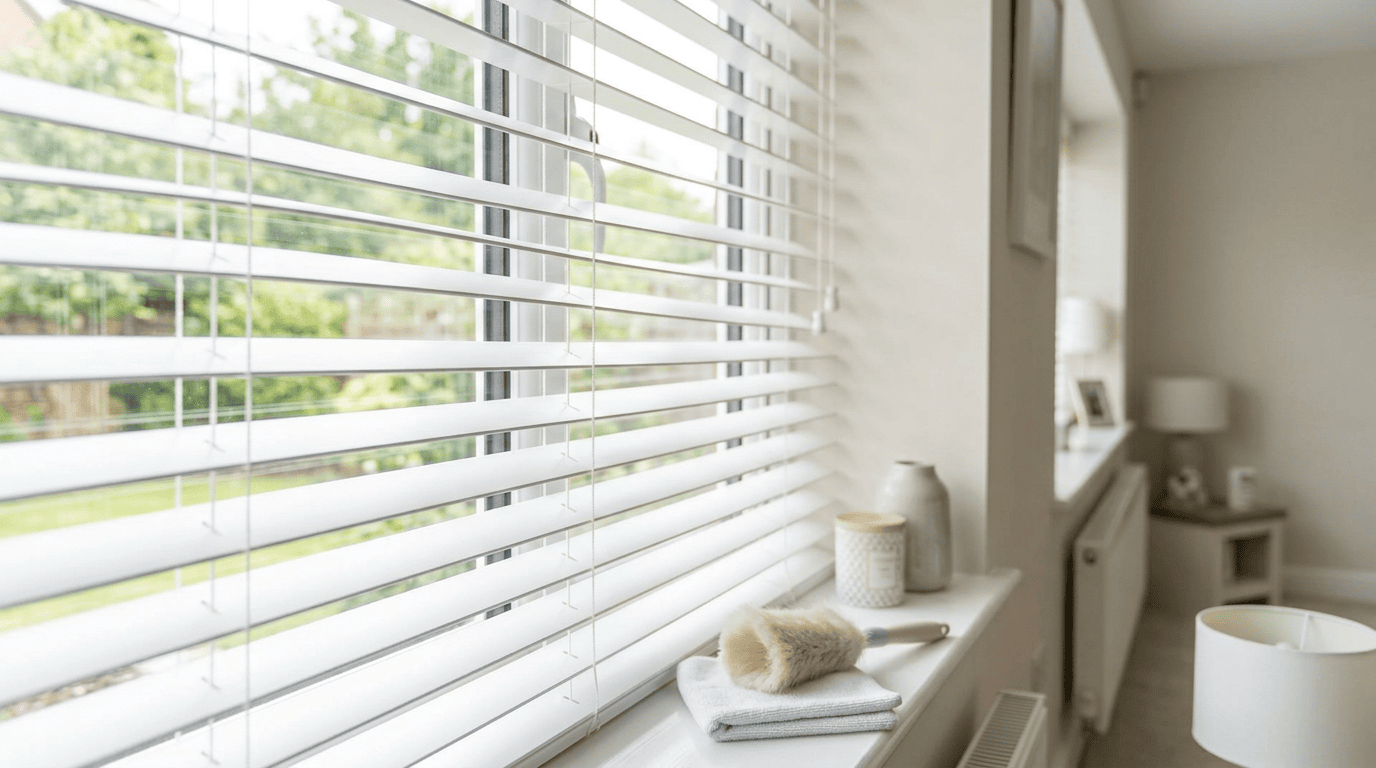
Horizontal Blinds (e.g., Venetian, Mini Blinds)Light-FilteringSlat adjustments allow for directional light control and privacy, but they don’t fully block light when closed.
Drapery/CurtainsSheer, Light-Filtering, Room-Darkening, BlackoutFabric choice is paramount; sheer curtains offer minimal light filtering, while blackout linings provide complete darkness. For kitchens, consider treatments that are easy to clean, like those discussed in our durable kitchen window treatments guide.
Woven Wood ShadesLight-FilteringMade from natural materials, these shades allow light to filter through the gaps, offering a textured, diffused light.

Each type of window covering interacts with light differently, impacting the overall feel and functionality of a room. For instance, roller shades provide a wide spectrum of options, from barely-there sheer fabrics to completely opaque blackout materials. This versatility makes them a popular choice for various needs, whether you prioritize maximizing natural light or ensuring absolute darkness for sleep.

Roman shades and cellular shades also offer a good range of light control. Roman shades, with their fabric construction, can be chosen in materials that either softly filter light or substantially block it, providing a cozy ambiance. Cellular shades, known for their insulating properties, come in different densities that determine their light-filtering capabilities, from a gentle diffusion to significant room darkening. For more information on the different types of shades and their features, consider exploring our Hunter Douglas shade options for more.

Horizontal and vertical blinds offer more nuanced control through their adjustable slats. While they allow you to direct light and offer a degree of privacy, they generally fall into the light-filtering category rather than providing complete light blockage. Drapery, on the other hand, is entirely dependent on the fabric chosen and any added linings. Sheer curtains offer minimal privacy and light filtering, whereas heavier fabrics or those with blackout linings can effectively create a dark, private environment. Exploring these different types of window treatments based on their inherent window treatment opacities helps homeowners make informed decisions that align with their lifestyle and design preferences.

Maintaining Your Window Treatments for Optimal Opacity

Proper care is essential to ensure your window treatments continue to provide the desired light control and privacy for years to come. Over time, dust, dirt, and environmental factors can affect the appearance and functionality of your window coverings, potentially impacting their perceived opacity. Regular maintenance not only preserves their aesthetic but also helps maintain their original performance characteristics. For instance, learning how to clean fabric blinds can significantly extend their lifespan and maintain their look. If your treatments become damaged, consider our professional blinds repair services to restore them.

The specific maintenance required will depend on the material and type of your window treatments. Understanding these differences allows for targeted cleaning that prevents damage and preserves the integrity of the fabric or material. Consistent attention to these details will help maintain the optimal window treatment opacities you initially selected for your home.

Cleaning Guidelines by Material Type

Different materials require different cleaning approaches to maintain their opacity and overall condition. For instance, fabric blinds have specific care instructions, and knowing these can be crucial for their longevity. Following these guidelines will help preserve the look and function of your window treatments: learn how to clean fabric blinds easily.

  • Fabric Treatments (Curtains, Roman Shades, Draperies): Many fabric window treatments can be spot-cleaned with a mild detergent and a damp cloth. For deeper cleaning, check the care label; some may be machine washable on a delicate cycle or require professional dry cleaning to prevent shrinking or damage to the material’s weave. Incorrect washing can alter the fabric’s texture and, consequently, its light-filtering capabilities. For more details on this topic, see how to clean fabric blinds easily.
  • Vinyl and Faux Wood Blinds: These are generally easy to clean with a damp cloth or a soft brush attachment on a vacuum cleaner. For stubborn spots, a gentle all-purpose cleaner can be used. Ensure blinds are thoroughly dried to prevent water spots.
  • Wood Blinds: Dust wood blinds regularly with a soft cloth or feather duster. For deeper cleaning, use a wood polish specifically designed for furniture, applying it sparingly. Avoid excessive moisture, as it can warp the wood.
  • Shades (Cellular, Roller, Pleated): Dusting is the primary method for most shades. For cellular shades, a vacuum with a brush attachment can remove dust from the pockets. Roller and pleated shades often benefit from gentle spot cleaning with a damp cloth and mild soap, ensuring not to saturate the fabric.

Tips for Preserving Opacity

Maintaining the desired level of light control and privacy from your window treatments involves more than just cleaning. Consider these additional tips to preserve their opacity:

  • Regular Dusting: Frequent dusting prevents the buildup of grime that can make fabrics appear duller or affect light transmission.
  • Avoid Harsh Chemicals: Strong cleaning agents can degrade fabrics and finishes, altering their texture and light-filtering properties. Always opt for mild, recommended cleaners.
  • Proper Drying: Ensure all window treatments are completely dry after cleaning to prevent mildew or water stains, which can affect opacity and appearance.
  • Sun Exposure Management: While natural light is desirable, prolonged, direct exposure to harsh sunlight can fade fabrics over time. Rotating treatments or using them to filter intense sun can help preserve their color and integrity.
  • Professional Cleaning: For delicate fabrics or heavily soiled treatments, professional cleaning is often the safest and most effective option. Specialists understand the nuances of different materials and can restore them without compromising their function.

If your window treatments are beyond simple cleaning and require repair, exploring options for professional blinds repairs can help restore their functionality and appearance.

By implementing these maintenance practices, you can ensure that your window treatments continue to offer the perfect balance of light and privacy, enhancing the comfort and ambiance of your home. Understanding how to care for your specific window treatment opacities is a crucial step in their longevity.

When to Consult a Professional for Window Treatment Opacities

While understanding the various window treatment opacities is essential, sometimes the complexity of your needs or the unique characteristics of your home call for expert advice. Consulting with a professional can ensure you achieve the perfect balance of light, privacy, and style without guesswork. This is where understanding the window consultation process can be invaluable. You can also check out current promotions to see if there are any special offers available.

Professionals can offer personalized recommendations and solutions that you might not consider on your own. They possess a deep understanding of material performance, installation intricacies, and current design trends, ensuring your window treatments not only function optimally but also enhance your home’s aesthetic appeal.

When Professional Assistance is Recommended

There are several scenarios where seeking guidance from a window treatment specialist is highly beneficial:

  • Complex Opacity Requirements: If you have very specific needs, such as requiring extreme light blockage in a home theater, or a desire for diffused natural light without sacrificing privacy in a busy living area, a professional can identify the best materials and systems.
  • Unique Window Shapes and Sizes: Custom windows, arched openings, or unusually large panes can present challenges for standard window treatments. Experts can measure precisely and recommend custom solutions that fit perfectly and perform as expected regarding opacity.
  • Integrating with Home Design: For those aiming for a cohesive interior design, a professional can help select window treatments whose opacity and style complement your existing decor, color scheme, and overall architectural vision. They can advise on how different opacities affect the mood and functionality of each room.
  • Energy Efficiency Goals: If maximizing energy efficiency is a primary concern, professionals can explain how certain opacities and materials contribute to insulation, helping to reduce heating and cooling costs. They can guide you toward options that offer both the desired light control and energy savings.
  • Privacy Concerns: Especially in densely populated areas or for rooms facing public spaces, achieving adequate privacy can be critical. A specialist can assess your specific privacy needs and recommend the most effective window treatment opacities to meet them, considering factors like viewing angles and time of day.

If you’re unsure about the best approach for your home, consider consulting with a local expert who understands the nuances of window treatments in your specific region, such as those found in our available service areas for more.

The Value of Expert Consultation

Working with a professional provides access to a curated selection of high-quality window treatments and the expertise to match them to your specific needs. They can also handle the installation process, ensuring a flawless finish and optimal performance of your chosen window treatments. This saves you time, potential frustration, and the risk of costly mistakes, ultimately leading to a more satisfying outcome for your window treatment opacities. A professional consultation can guide you through the entire process, from initial selection to final installation, making your design journey much smoother, and can even advise on options like our rechargeable battery wands for more.

Making Informed Decisions About Window Treatment Opacities

Selecting the correct window treatment opacities is a crucial step in achieving your desired home environment, balancing natural light with essential privacy. By understanding the full spectrum of options, from the most transparent sheer fabrics to the light-blocking capabilities of room-darkening materials, you can confidently make choices that enhance both the comfort and aesthetic of your living spaces.

Considering the unique needs of each room is paramount. For instance, a living room might benefit from light-filtering treatments to maintain a bright atmosphere while reducing glare, whereas a bedroom often requires room-darkening or blackout options for optimal sleep. Evaluating your priorities—whether it’s maximizing daylight, ensuring privacy, or controlling heat gain—will guide you toward the most suitable window treatment opacities.

To effectively navigate these choices, consider the following key aspects when evaluating window treatment opacities:

  • Light Control: Determine how much natural light you wish to allow into a space. Sheer options diffuse light, light-filtering options soften it, and room-darkening options significantly block it.
  • Privacy Needs: Assess the level of privacy required for each room. Higher opacities generally offer greater privacy, preventing outsiders from seeing in.
  • Energy Efficiency: Understand how different opacities can impact your home’s temperature. Some treatments can help block solar heat gain in summer and retain heat in winter.
  • UV Protection: Consider how much protection you need for your furnishings and flooring from the sun’s damaging ultraviolet rays. Higher opacities often provide better UV blockage.

Making informed decisions about window treatment opacities involves a thoughtful consideration of light, privacy, and aesthetic goals. Whether you’re seeking to create a bright, airy sunroom or a tranquil, restful bedroom, the right opacity level plays a vital role. By exploring the various options available, you can find window coverings that perfectly complement your home’s style and functionality. If you’re unsure where to start, consider a professional window consultation to guide your design journey.

For further insights into selecting the ideal window coverings for your home, you might find it beneficial to explore guides on different types of window treatments and their specific features. Understanding the nuances of each option ensures you achieve the perfect balance of light, privacy, and style. Consider starting your window consultation design journey to make informed choices that transform your living spaces.

Selecting the right window treatment opacities is key to enhancing your home’s comfort, privacy, and aesthetic appeal. By carefully considering your needs for light control and privacy, you can make informed choices that transform your living spaces.

Explore our range of window coverings to find the perfect solution for your home. For expert advice and personalized recommendations, consider consulting our team of professionals. If you’re interested in custom drapery, explore our services for tailored solutions.

Get a Free Quote!

Get in Touch for a Free Quote Today

Learn More

More Blog Posts

Check out more blog posts for tips, inspiration, promotions and updates.

Window with horizontal blinds, providing privacy and light control in a modern interior.
General

Blinds vs Shutters: Which is Better?

Choosing blinds vs shutters? Discover the key differences in durability, style, and cost to find the perfect window treatment for your home.