Answer
Many Calgary homes built in the 1950s feature angled glass that requires sloped window blinds for proper light and privacy management. Manufacturers build these custom window treatments with precision-cut fabrics and specialized hardware to match non-rectangular frames for full glass coverage. Blinds West fits custom coverings for these architectural shapes and frequently installs pleated blinds because they adapt well to steep angles.
Overview
Custom-fitted coverings for angled glass control interior temperatures and block harsh sunlight. Homeowners must evaluate style options, mounting hardware, and cleaning steps for non-standard frames. A practical residential scenario featuring Arthur demonstrates how to select hardware for specific room conditions.
- Product selection: Review top materials and styles for sloped window blinds.
- Control mechanisms: Evaluate motorized versus manual systems for high or angled frames.
- Case scenario: Arthur’s residential setup demonstrates a typical installation challenge and its exact fix.
- Specialty frames: Find custom treatments for unique shapes like trapezoids and triangles.
- Professional guidance: Blinds West delivers tailored advice for homes with steep rooflines.
- Upkeep: Protect your hardware and fabrics using routine care suggestions.
Choosing Sloped Window Blinds
Older Calgary properties frequently contain vaulted ceilings and angled glazing that standard rectangular coverings cannot fit. Picking the right sloped window blinds requires measuring the exact frame pitch, geometric shape, and surrounding trim to maintain privacy and manage sunlight. Homeowners frequently select custom-built pleated blinds because they adapt directly to irregular window frames and create a clean, built-in look.
Matching the fabric weight and lift mechanism to the specific window geometry prevents sagging and operational jams. Reviewing a Hunter Douglas guide reveals specialized hardware for angled glass, while Alta Window Fashions manufactures additional custom-cut coverings. Blinds West measures exact frame angles and evaluates daily sun exposure in local homes to pair each window with the correct hardware.
| Selection Factor | Direct Effect on Window Coverings |
|---|---|
| Frame Pitch and Geometry | Requires custom manufacturing for exact edge-to-edge coverage. Off-the-shelf rectangular blinds leave gaps on angled frames. |
| Sun Direction and Intensity | Different fabric opacities control solar heat gain and screen glare. East-facing and west-facing glass often requires denser solar protection. |
| Room Usage | Sleeping spaces benefit from room-darkening materials, whereas main living rooms perform well with sheer or light-filtering fabrics. |
| Interior Architecture | The selected headrail profile and louver or pleat size must match the surrounding casing and room decor. |
Motorized vs. Manual for Angled Windows
Homeowners choosing between automated and hand-operated sloped window blinds evaluate reachability, daily use, and project budget. For high-mounted glass or out-of-reach openings, motorization offers practical advantages by enabling shade movement via a handheld remote, wall switch, or smart home integration. Conversely, hand-operated systems fit ground-level windows or projects focused on reducing initial hardware expenses.
Calgary properties frequently include tall, angled glazing in loft spaces and vaulted rooms, making automated control a highly requested feature. PowerView Automation systems deliver exact light filtering and privacy adjustments without physical reach, solving access problems for custom architectural frames. While comparing motorized blinds vs. manual, buyers weigh everyday operational ease against upfront equipment costs.
Blinds West advises installing PowerView motorized drapery on hard-to-reach frames that need frequent movement, such as south-facing sloped glass. Automated schedules control indoor heat gain and direct sunlight throughout the afternoon. If an angled window serves mainly as an architectural accent and rarely requires movement, a manual control mechanism remains a practical choice.
| Feature | Motorized Window Coverings | Manual Window Coverings |
|---|---|---|
| Convenience | Operates via remote, smartphone app, or voice command on high glass. Works well across multi-window walls. | Requires direct hand adjustments, suited for panes within arm’s reach. |
| Cost | Carries a higher upfront price because of internal motors, remotes, and specialized setup requirements. | Features a lower starting price, fitting smaller budgets and basic window layouts. |
| Functionality | Allows exact slat or shade positioning, automated daily schedules, and smart home linking through PowerView Automation. | Provides straightforward mechanical movement with fewer options for automated light control. |
| Installation for Sloped Windows | Demands professional mounting to calibrate motor torque and secure wiring along angled tracks. | Involves simpler mechanical mounting, though custom fabrication is still required to match the frame slope. |
| Maintenance | Needs periodic battery charging or swaps on wire-free units, plus occasional servicing for electronic parts and motorized shade components. | Involves basic cord or wand upkeep with minimal risk of mechanical failure. |
Sloped Window Blind Install
Standard off-the-shelf coverings rarely fit homes with sharply angled or sloped glass. Securing effective solutions that manage sunlight and preserve privacy on non-standard window frames requires custom-fitted hardware.
Arthur owns a mid-century house in Calgary with multiple angled windows that remain uncovered. He wants to block glare and add privacy across these irregular frames. Should Arthur select custom pleated sloped window blinds or test alternative window treatments?
Recommendation: Custom Pleated Blinds
Blinds West advises installing custom pleated sloped window blinds when frames have complex, asymmetrical geometry. Manufacturers cut the pleated fabric to match exact non-rectangular dimensions, which eliminates light gaps and creates a flush fit against the casing.
Solutions for Difficult Angled Windows
Custom sloped window blinds solve the light control and privacy problems caused by frames with unusual angles. Off-the-shelf coverings fail to match non-standard geometry, which leaves open light gaps and creates an awkward look. Purpose-built hardware and precise installation deliver complete coverage and smooth daily operation for these distinct architectural openings.
Calgary properties, especially 1950s bungalows and contemporary infill builds, frequently include vaulted ceilings and raked glass. These openings demand window treatments engineered for exact degree tilts. Blinds West fits custom coverings to these complex frames, balancing reliable light blockage with clean interior lines.
| Window Type | Recommended Solution | Considerations |
|---|---|---|
| Arched Windows | Custom-fitted arch shades or blinds | Preserves the curved frame profile while controlling upper-window glare. |
| Trapezoidal Windows | Angled blinds or shades cut to exact dimensions | Covers uneven side walls completely and raises or lowers along the widest rail. |
| Skylights and Ceiling Slopes | Cellular or pleated shades with side tracks | Blocks overhead solar heat and glare using tension cables to prevent sagging. |
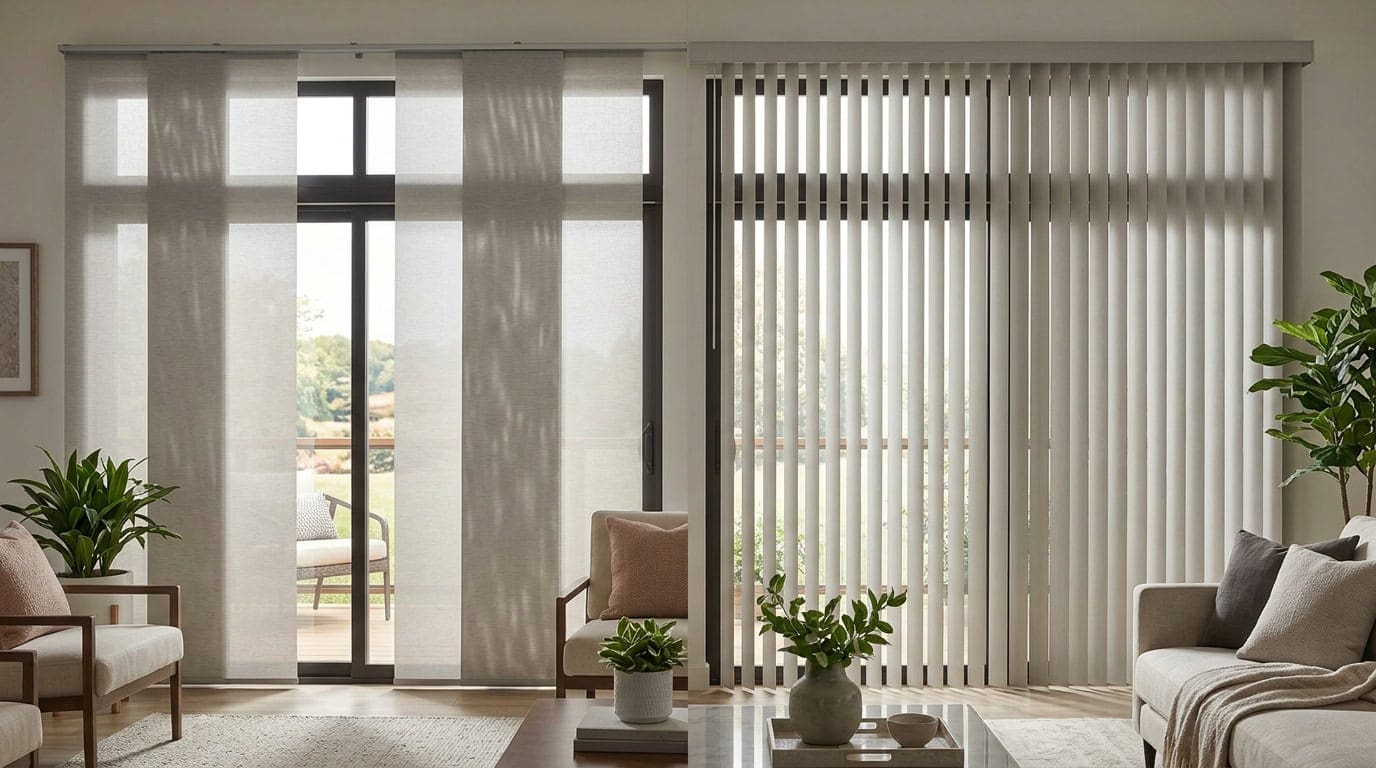
| Sloped Walls and Gable Ends | Vertical blind vanes on angled specialty tracks | Matches the roof pitch directly with heavy-duty brackets that support the blind’s weight. |
Pleated shades match roofline windows by conforming to sharp corners and steep pitches. Fabricating the shade to the exact frame perimeter preserves the room’s original design while blocking unwanted sun. Laser-accurate measurements guarantee that sloped window blinds glide smoothly without binding against the side jambs.
Blinds West Expert Recommendations
Calgary homes built during the 1950s frequently feature angled glass that requires specialized window coverings. Choosing sloped window blinds involves balancing daily operation with visual design. Specific window treatments control sunlight and maintain privacy while complementing the architectural style of mid-century and modern properties.
Local weather patterns dictate material selection for angled installations. Calgary temperatures drop to -40°C in winter and reach +30°C in summer, so sloped window blinds must resist thermal warping and UV fading. Blinds West selects hardware and fabrics proven to endure these seasonal extremes without losing structural integrity.
Every installation starts with exact Custom Measures to match non-standard frames. Consultations evaluate sun exposure, privacy targets, and reachability before finalizing a product. High-efficiency cellular and pleated designs also add thermal barriers that stabilize indoor room temperatures year-round.
| Recommendation | Best For | Key Features |
|---|---|---|
| Pleated Blinds | Steep angles, glare reduction, thermal control | Tailored to irregular frames; Alta Window Fashions fabrics assist with indoor climate regulation. |
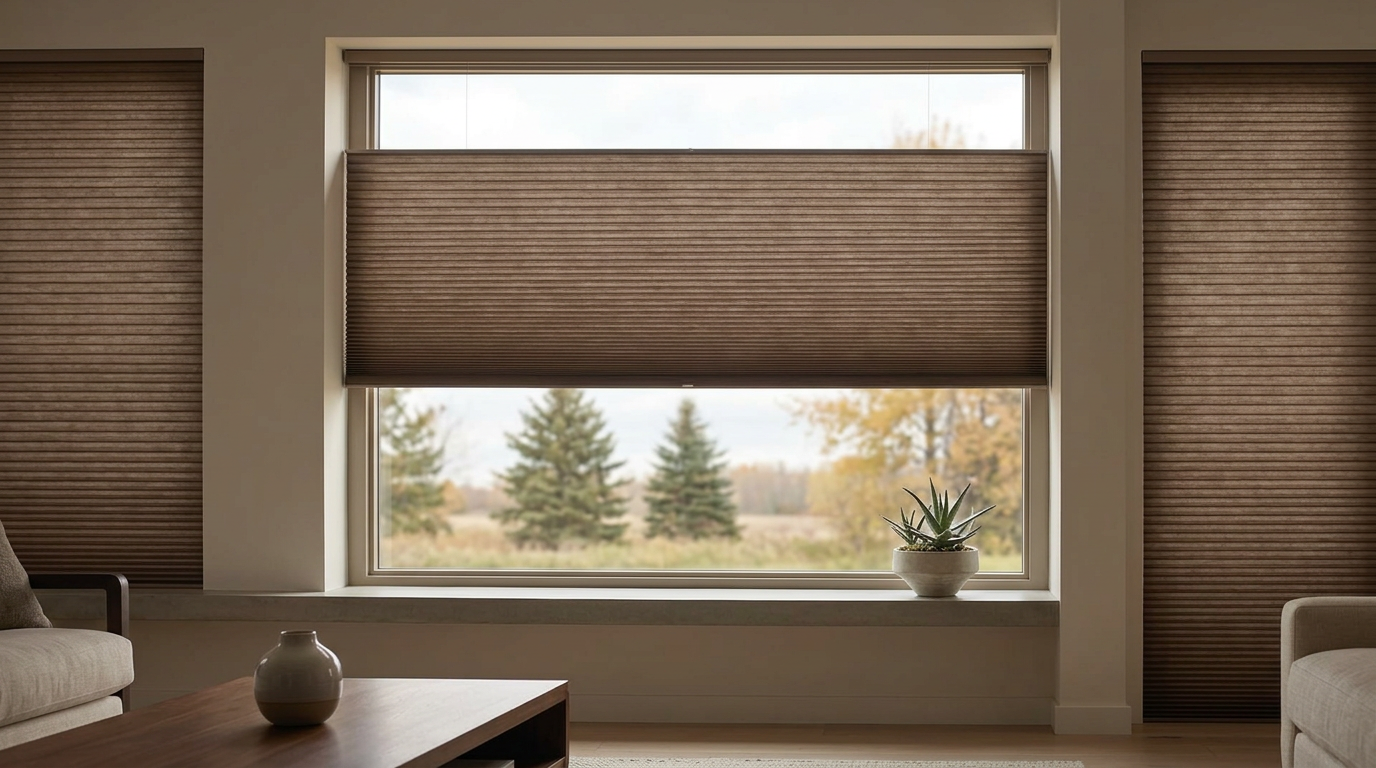
| Cellular Shades | Heat retention, softened daylight | Honeycomb air pockets trap air for high insulation; offered in sheer to blackout fabric weights. |
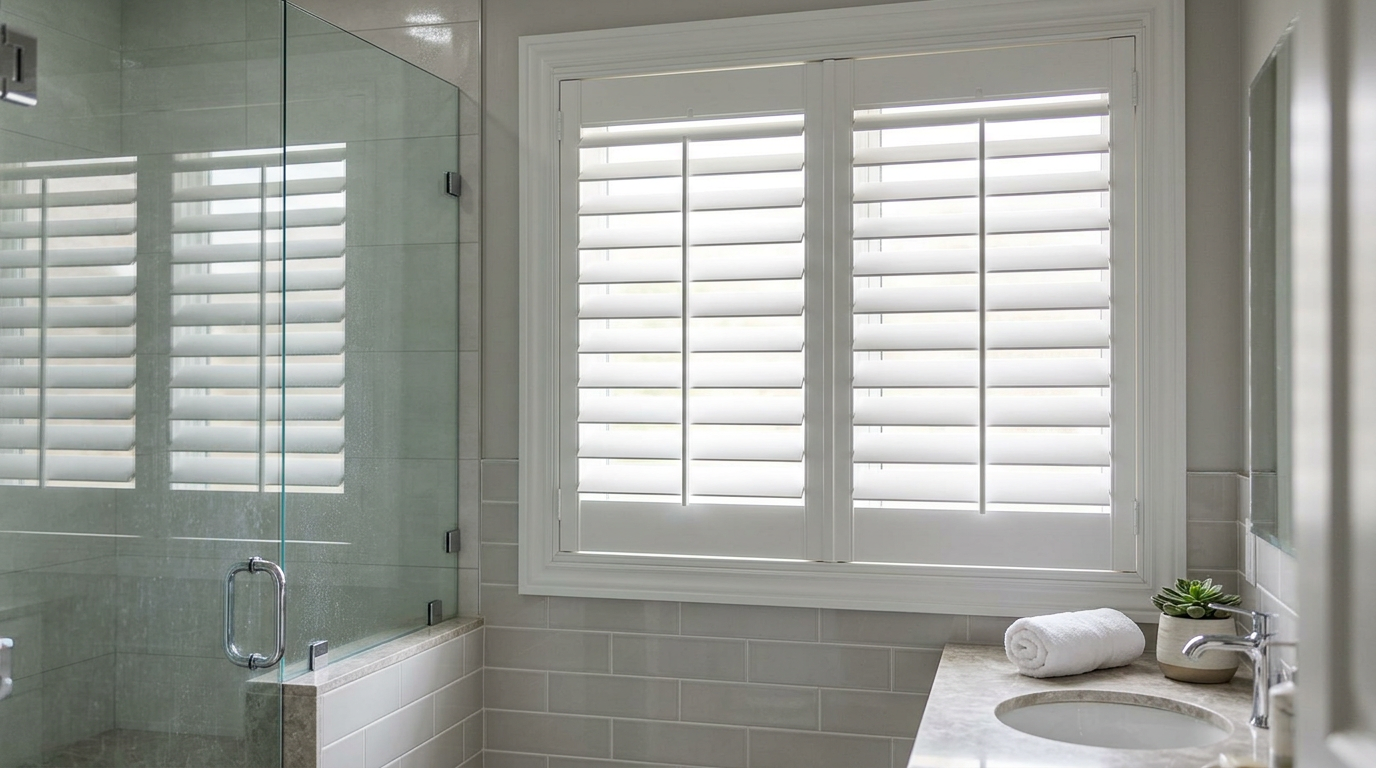
| Custom Shutters | Structural longevity, defined framing | Rigid components built to exact degree slopes; delivers a permanent, classic window profile. |
| Motorized Roller Shades | High ceilings, contemporary rooms | Automated remote adjustments; low-profile rollers; supplied in solar-screen or room-darkening textiles. |
Maintaining Sloped Window Blinds
Routine cleaning and mechanical inspections extend the service life of sloped window blinds, which often sit in high, angled frames that trap rising dust. Because gravity pulls angled slats and pleats downward, owners should use gentle dusting tools and inspect operating mechanisms on a set schedule to prevent uneven wear and track binding.
Start weekly upkeep by wiping slats with a dry microfiber cloth or passing a vacuum brush attachment lightly across the surface. When treating stains on fabric shades, blot the mark using lukewarm water mixed with a drop of mild dish soap instead of scrubbing, which can fray fibers or strip protective coatings. Always test the soap mixture on a hidden edge of custom textiles first to verify colorfastness. Homeowners can review a window blind cleaning guide for material-specific washing rules.
Fixing minor hardware faults early prevents full system failure on angled tracks. Frequent wear points include frayed lift cords, warped louvers, and slipping tilt gears. While basic replacement clips or slats can solve minor damage, high-reach or tensioned frames require careful calibration. Contacting a specialist like Blinds West ensures accurate part replacement without voiding manufacturer warranties or damaging custom frames, and dedicated repair guides provide additional troubleshooting steps.
| Maintenance Task | Best Practice |
|---|---|
| Dusting | Wipe surfaces weekly using a dry microfiber duster or a soft brush nozzle. Set vacuums to low suction when cleaning textured weaves. |
| Spot Cleaning | Blot surface marks lightly with a damp cloth and gentle detergent. Keep harsh solvents and excess water away from specialty fabrics and wood finishes. |
| Operating System Check | Cycle lift cords, tilt wands, and battery motors once a month to check for grinding noises or stiffness. Owners of window fashions Hunter Douglas or Alta products should follow the brand’s specific hardware manual. |
| Cord and Slat Inspection | Check tension lines for thinning fibers and inspect louvers for cracks or warping. Cordless and motorized models eliminate external pull cords and reduce routine string upkeep. |
FAQ
Finding the right treatments for angled or triangular frames often requires specialized solutions beyond standard coverings. The table below addresses the most common questions about selecting, measuring, and operating sloped window blinds to help you achieve the best fit for your space.
| Question | Answer |
|---|---|
| How do sloped window blinds differ from standard blinds for angled or triangular windows? | Custom sloped window blinds use angled headrails and tensioned lift systems engineered to fit triangular, trapezoid, and arched frames. Standard blinds rely on horizontal tracks and gravity to hang straight, which causes the slats to gap or jam on slanted glass. Installing custom-cut treatments ensures complete light control, privacy, and smooth operation across every pitch of an angled window. |
| Are cellular shades a good option for sloped window blinds? | Yes, cellular shades are a strong option for sloped window blinds because their honeycomb structure traps air, providing effective thermal insulation and energy efficiency. Manufacturers can custom-cut these shades to fit various non-traditional angles, including trapezoid and triangular frames, while offering a wide selection of colors and light-filtering fabrics. While they may not operate smoothly on extremely sharp pitches, they remain a practical and versatile choice for most angled window shapes. |
| Why are motorized sloped window blinds recommended for hard-to-reach angled windows? | Motorized sloped window blinds eliminate the need for ladders or extension poles when adjusting treatments on high, vaulted, or awkwardly placed windows. Homeowners can control light levels and privacy using a remote control, wall switch, or smart home app. Automated tracks also prevent manual pulling that can damage custom hardware on steep angles. |
| Which measurements are required to fit sloped window blinds accurately? | Fitting sloped window blinds requires recording the bottom width, the top sloped width, the left and right vertical heights, and the exact degree of the window angle. You also need to measure the window frame depth to verify there is enough clearance for an inside mount. Because angled and triangular frames rarely have uniform corners, taking measurements to the nearest eighth of an inch prevents light gaps and hardware binding. Professional laser measuring is recommended for high or steeply pitched windows to guarantee the custom headrail fits flush against the slope. |