Answer
Average window treatment cost runs between CAD $100 and CAD $1,000 per window based on the selected material, style, and automation features. Basic roller shades sit at the entry price point, whereas custom plantation shutters and PowerView motorized drapery demand a larger budget. Blinds West helps local homeowners pair their preferred visual style with realistic project pricing.
Overview
Homeowners planning a renovation must account for material selection, window dimensions, and installation labor to estimate total window treatment cost accurately. Comparing product categories reveals how specific coverings affect both upfront budgets and long-term property equity.
A detailed case study featuring a homeowner named Liam demonstrates how specific product selections change total project spending. The following sections break down affordable product alternatives and the steps to request a personalized estimate from Blinds West.
- Pricing Factors: Examine the primary variables that determine window treatment pricing.
- Style Comparison: Compare popular style options and their costs across different rooms.
- Real-World Example: Evaluate how upgraded coverings boost home value during resale.
- Project Investment: Follow a step-by-step example to calculate your project investment.
- Budget Choices: Identify practical, budget-friendly treatment choices that reduce upfront expenses.
- Custom Quote: Schedule a consultation to receive a custom quote for your home.
Window Treatment Pricing Factors
Material selection, window dimensions, and installation difficulty determine the final window treatment cost. Window opening measurements and geometric profiles dictate total fabric yardage and custom manufacturing requirements. Oversized panes or specialty architectural shapes require extra raw materials and precision fitting during production.
Product style directly shifts the total project budget. Standard roller shades carry a lower price tag than custom shutters from Hunter Douglas or Alta Window Fashions. Upgrading to motorized lift systems, thermal fabrics, or cordless hardware increases the total expenditure. Adding PowerView Automation across a multi-window home raises upfront hardware expenses compared to standard manual tilt wands or cords.
| Pricing Variable | Budget Impact |
|---|---|
| Material Selection | Hardwood, composite faux wood, aluminum slats, and performance textiles sit in different price brackets. |
| Product Style | Horizontal blinds, cellular shades, and plantation shutters carry distinct baseline manufacturing rates. |
| Window Dimensions | Wide spans and arches demand extra yardage and custom factory cutting. |
| Lift Mechanism | Cordless manual lifts come standard, whereas rechargeable motorized wands and smart hubs add to the unit price. |
| Custom Upgrades | Room-darkening liners, decorative valances, and custom stain matches raise the per-window rate. |
| Mounting Conditions | High ceilings, stairwell windows, and concrete or tile surrounds increase professional installation labor. |
Style Options & Cost Comparison
Window covering prices range from $100 to over $1,000 CAD per window based on material selection, hardware mechanics, and custom sizing. Entry-level roller shades deliver basic privacy and glare reduction at the lowest price point. Custom-built shutters and tailored fabric draperies demand a higher upfront budget because they require complex fabrication and detailed craftsmanship.
Buyers balance visual appeal against total project budgets when selecting new coverings. Comparing blinds vs shutters reveals a distinct price gap, with slatted blinds serving as the more budget-friendly option. Calgary homeowners frequently prioritize long-term durability and room-darkening performance, two factors that directly dictate the chosen product style and final window treatment cost.
Adding automated hardware, such as PowerView motorized drapery, introduces smart-home convenience while raising the per-window investment. Reviewing standard price brackets for popular window coverings helps buyers match product choices with renovation budgets. Interior design consultations also assist homeowners in pairing decor goals with practical cost limits.
| Style | Typical Price Range (CAD per window) | Key Features & Ideal Use |
|---|---|---|
| Roller Shades | $100 – $300 | Streamlined profile; fits modern rooms needing basic privacy and sunlight filtering. |
| Faux Wood Blinds | $120 – $350 | Moisture-resistant composite slats; built for kitchens, bathrooms, and humid spaces. |
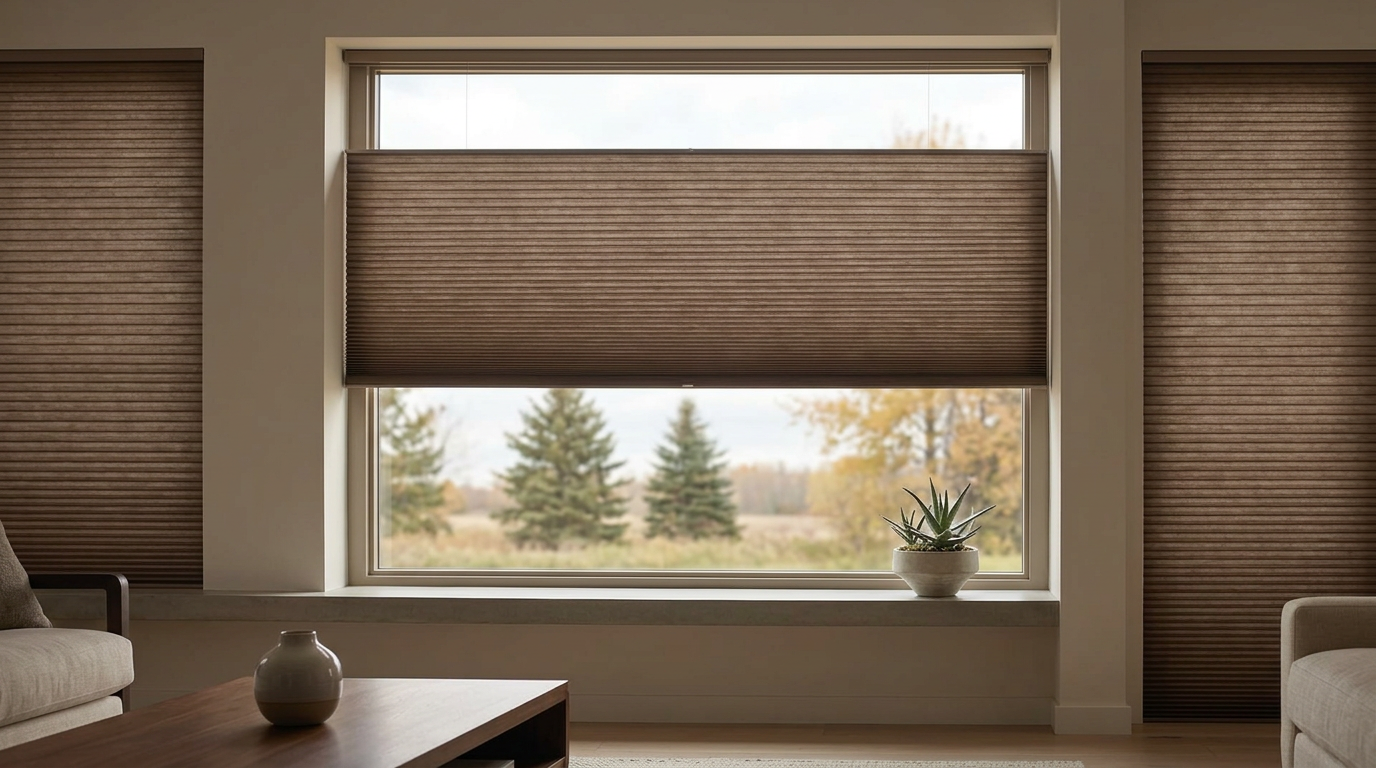
| Cellular Shades | $150 – $500 | Honeycomb air pockets trap heat; delivers thermal insulation and soft light diffusion. |
| Roman Shades | $200 – $600 | Pleated fabric panels; brings soft texture to bedrooms and formal living areas. |
| Wood Blinds | $250 – $700 | Real hardwood slats; provides classic warmth and precise tilt control for dry rooms. |
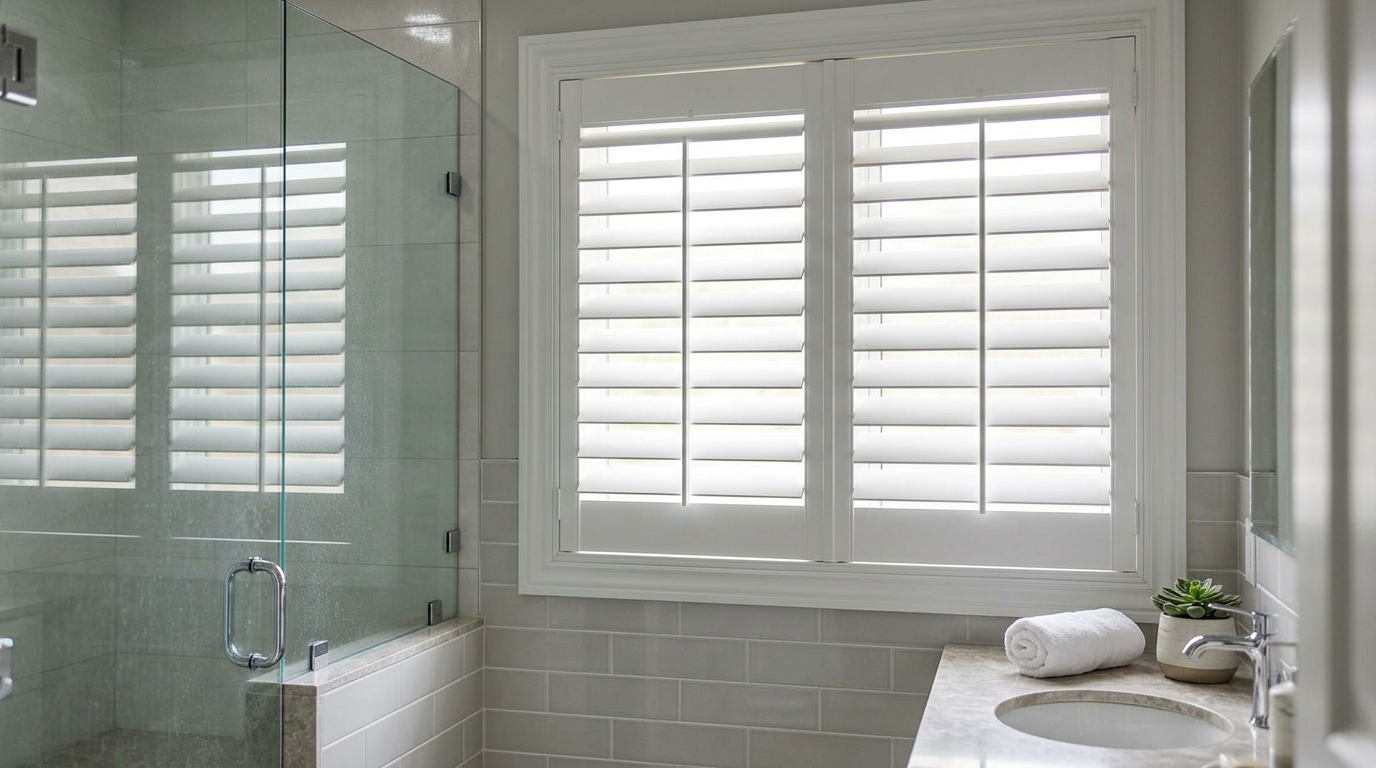
| Plantation Shutters | $400 – $1,000+ | Rigid frame construction; maximizes lifespan, light blocking, and home resale value. |
| Drapery | $300 – $1,000+ | Custom fabric panels; blocks drafts, dampens sound, and frames large windows. |
Home Value Boost from Treatments
A home’s overall window treatment cost shifts widely based on material grade and operating hardware. Standard coverings fit tight renovation budgets, whereas custom fabrics and advanced features command a higher initial price while boosting long-term property appeal.
Liam is updating his residence and needs new window coverings. He is comparing budget-friendly roller shades against automated drapery tracks to see which choice delivers the highest return for his daily routine and spending limit. Should Liam select standard roller shades or pay more for motorized drapery in his Calgary home?
Recommendation: Motorized Drapery
Blinds West suggests selecting motorized drapery when buyers want effortless operation paired with high-end room design. Automated tracks improve daily light control and interior comfort, particularly on wide glass walls or hard-to-reach panes. Adding PowerView Automation connects these window coverings directly to smart home schedules, which increases buyer interest during resale.
Calculating Your Project Investment
Homeowners calculate their total window treatment cost by counting the windows and recording exact frame dimensions. Taking an accurate initial measurement establishes the exact yardage and hardware required for custom blinds, shades, or interior shutters.
Blinds West recommends professional sizing to guarantee a tight fit, a factor that controls light blockage and final pricing. Upgraded lift mechanisms, smart home hubs, and automated motors also increase the baseline budget.
Follow these five steps to build an accurate project estimate:
- Record the exact width and height of every window frame.
- Choose a specific product category, such as roller shades, faux wood blinds, or plantation shutters.
- Pick your preferred materials, slat widths, and thermal fabrics.
- Select a lift system, ranging from cordless manual operation to battery-powered wands or hardwired motors.
- Add professional installation fees, which scale with window height and mounting surface difficulty.
Budget-Friendly Treatment Choices
Affordable window treatments typically range from $100 to $550 CAD per window. Homeowners who balance upfront purchase prices against long-term performance get the best value from their renovation budget. Evaluating base materials and lift mechanisms directly identifies products that deliver visual appeal and daily utility without overspending.
Low initial prices do not always equal the lowest lifetime expense. Factoring in material longevity, thermal insulation, and cleaning requirements reveals the actual cost of ownership over several years. Well-constructed coverings reduce monthly heating and cooling bills, which gradually offsets a higher purchase price. Blinds West matches buyers with alta window fashions and comparable product lines that align with specific spending limits.
| Option | Budget Range (CAD) | Best Use Case |
|---|---|---|
| Roller Shades | $100 – $300 per window | Minimalist profiles and straightforward light management. |
| Faux Wood Blinds | $150 – $400 per window | Wood-grain styling at a lower price point, especially in high-moisture rooms like kitchens and bathrooms. |
| Cellular Shades | $200 – $500 per window | Maximum thermal insulation and energy savings through honeycomb air pockets. |
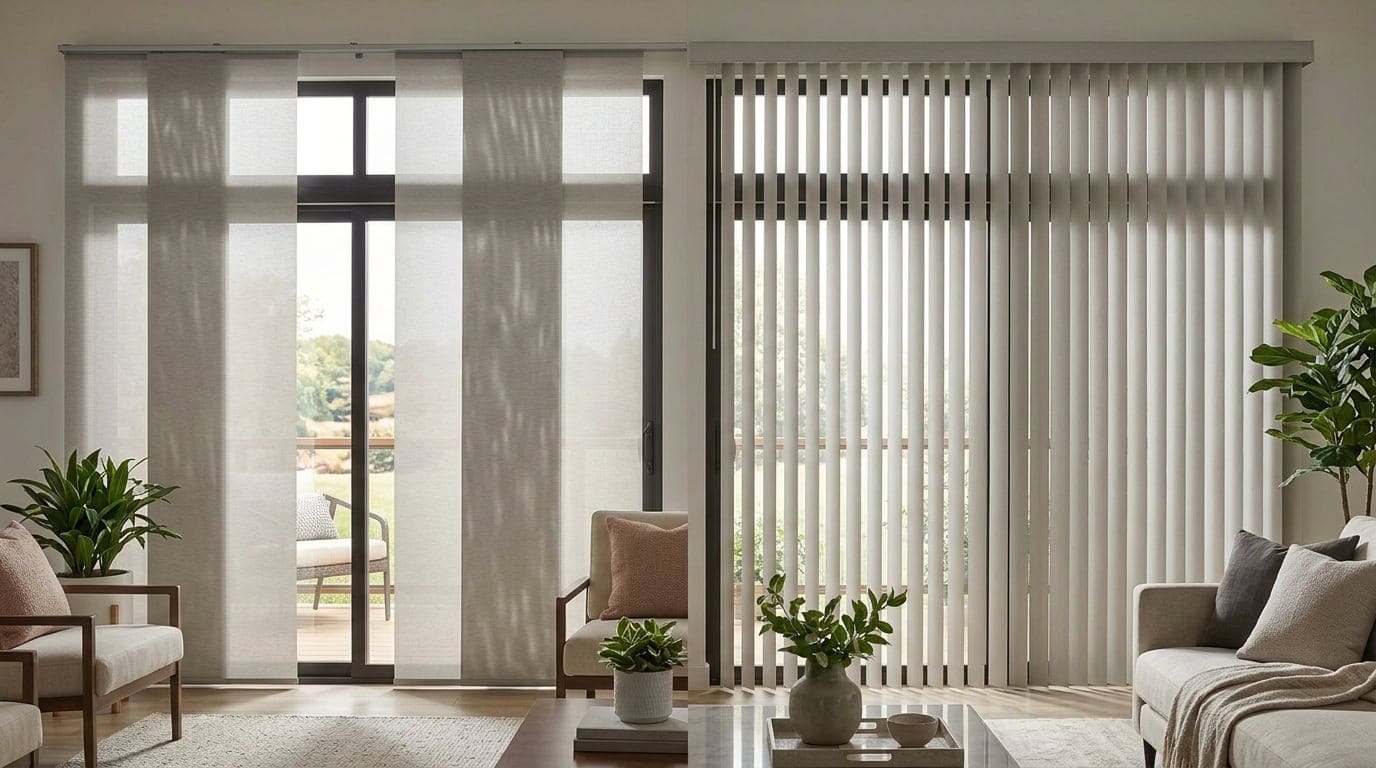
| Vertical Blinds | $200 – $550 per window | Wide window expanses and patio sliding doors requiring adjustable privacy. |
| Aluminum Blinds | $100 – $300 per window | High durability and exact slat-tilt light control at an entry-level price. |
Adding upgrades like motorized lift systems increases the total window treatment cost. Standard manual coverings still deliver reliable privacy and daylight management at a fraction of the price, allowing property owners to outfit an entire home within a strict budget.
Get a Custom Quote
Custom quotes deliver exact pricing based on your specific room requirements. Consultants calculate the total project estimate by measuring exact window dimensions, pricing chosen fabrics or woods, selecting operating hardware, and assessing installation labor. Blinds West provides expert guidance to help homeowners compare these pricing variables.
Specialists review product lines and specialized add-ons like LightLock blackout channels to match your design preferences and target budget. You receive an itemized breakdown of the total window treatment cost before ordering, which prevents unexpected fees.
Before booking an appointment, note your preferred shade styles and desired upgrades, such as motorized lifts or room-darkening liners. Sharing these details allows the consultant to build an accurate baseline estimate during your in-home or showroom consultation.
FAQ
Understanding what goes into the final window treatment cost can help you plan your Calgary home upgrade with confidence. Explore the table below for answers to common questions about how style, material choices, and professional installation influence your budget.
| Question | Answer |
|---|---|
| What factors determine the total window treatment cost in Calgary? | The total window treatment cost in Calgary depends primarily on the style you choose, material selection, window dimensions, and installation complexity. Basic roller shades or faux wood blinds cost less than custom plantation shutters, Roman shades, or natural hardwood coverings. Adding upgrades like smart motorization, blackout linings, or custom hardware for specialty window shapes will also increase the final price. |
| How does material selection affect window treatment cost in Calgary? | Material selection directly impacts your total window treatment cost in Calgary. Faux wood, aluminum, and standard polyester fabrics offer the most budget-friendly pricing for homeowners. Natural hardwood and specialty textiles with thermal or blackout linings sit in a higher price bracket due to their durability and insulation benefits. Choosing synthetic materials for high-moisture rooms like bathrooms and reserving custom woods or thick fabrics for main living areas helps balance your overall budget. |
| Which window covering styles have the lowest and highest window treatment cost in Calgary? | Roller shades and faux wood blinds generally offer the lowest window treatment cost in Calgary, making them practical choices for budget-conscious homeowners. Roman shades and real wood blinds fall into a mid-to-high price bracket due to custom fabric grades and natural materials. Interior shutters and motorized coverings carry the highest price tags because they require custom manufacturing, durable hardware, and specialized installation. |
| What impact does professional installation have on the overall window treatment cost in Calgary? | Professional installation adds an upfront fee to your total window treatment cost in Calgary, though rates vary based on the number of windows and mounting complexity. Hiring an installer guarantees accurate measurements and proper operation, which is especially helpful for motorized shades or custom shutters. This service prevents costly measuring mistakes and future repair expenses while typically including workmanship warranty coverage. |